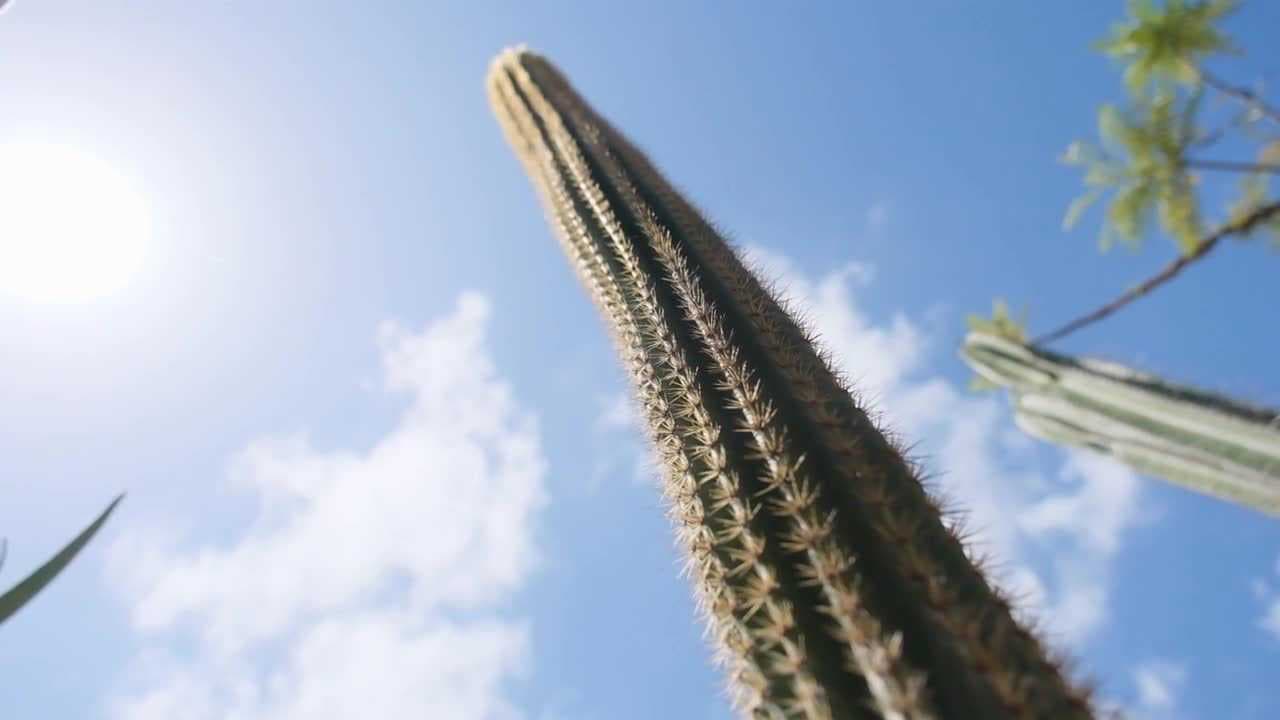
A tropical cactus native to the Florida Keys has become the first plant species in U.S. history to go extinct due to climate change and global warming, according to botanists at the Fairchild Tropical Botanical Garden in Coral Gables.
The sole population of the Key Largo tree cactus (Pilosocereus millspaughii) in the U.S. was wiped out by rising sea levels, according to a recent study published by the Botanical Research Institute of Texas in early July. Sea levels around the Florida Keys rose approximately 8 inches in the last 50 years, according to research data provided by the National Oceanic and Atmospheric Administration (NOAA).
"We are in a global biodiversity crisis," said James Lange, a botanist at Fairchild and a lead researcher on the project.
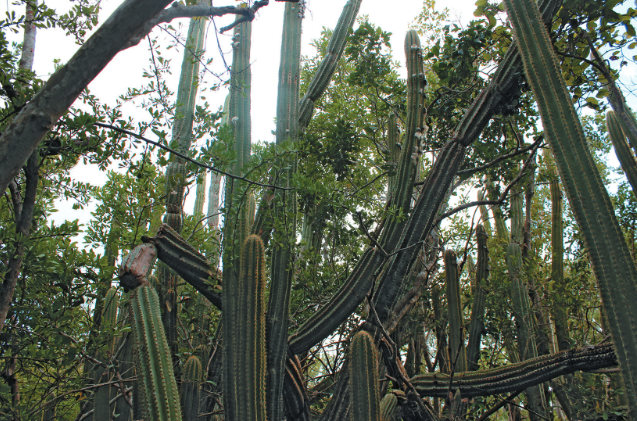
The cactus, known for its wood-like trunks, long hairs, and garlic-scented flowers, thrived on low-lying rocky outcroppings along the mangrove line, according to the study.
"This habitat was a habitat of plants that don't like salinity, and it also had a soil layer that was extremely nutrient-dense. This inundation with seawater increased the salinity and oxidized the soil layer. We lost all the soil and all the plants took a very negative turn. There's a clear association with the saltwater coming into the habitat," added Lange.
The Cacti's Decline and Extinction
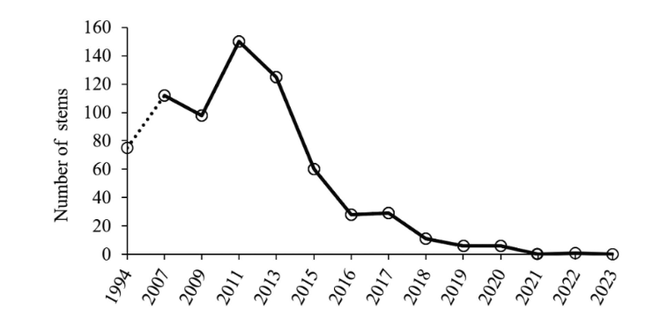
The downfall of this specific species began in 2011, with saltwater flooding from storm surges and king tides, which are extremely high tides occurring during new or full moons. By 2012, the cactus population had been cut in half, and by 2015, the already increasingly small group was halved again.
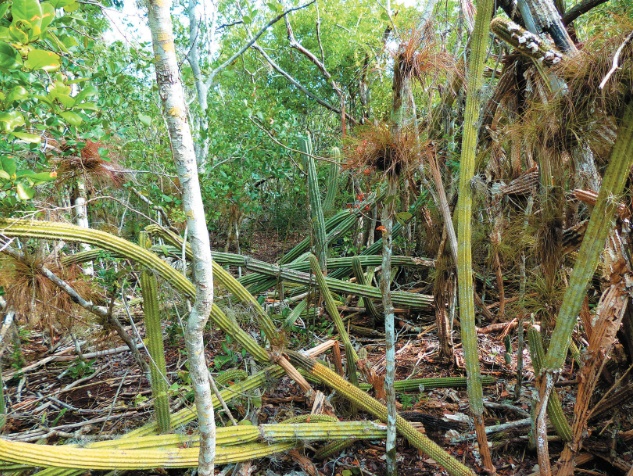
Hurricane Irma in 2018, and Hurricane Ian in 2022 further contributed to species destruction, leaving the Island of Key Largo inundated with feet of storm surge for multiple days at a time.
"We've seen areas that flood with saltwater during these tide events that never used to., but this is the first time we've seen it where it's costing us a species in the United States," said Lange.
By 2021, only six cactus stems remained, and researchers determined in 2023 that the species was extinct in the U.S.
Implications for Other Coastal Plants
In Collier County, botanists have reacted to the study's findings by taking a proactive approach to coastal species that are already threatened. At the Naples Botanical Garden, researchers are actively conserving and protecting the Florida Thatch Palm (Thrinax Radiata).
"These plants can be found in Rookery Bay. They're coastal plants. We found the populations and immediately realized that these are going underwater. About a third of the plants in each of the two populations is already lost to sea level rise," said Chad Washburn, the Vice President of Conservation at Naples Botanical Garden.
The Garden is also working with areas outside the United States to ensure species survival despite rising sea levels. Cacti from Puerto Rican coastal habitats have been brought to the East Naples facility for future conservation work.
"We've worked with the USDA to collect these, and these are under threat from a couple different things. One, sea level rise like most of our coastal plants, but they're also under threat from two invasive pests, and as we see climate change, we're likely to see more invasive pests," added Washburn.
Hope for the Future
While the Key Largo tree cactus is extinct in the U.S., it still exists on islands in the Caribbean, including northern Cuba and parts of the Bahamas. The Fairchild Botanical Garden in Coral Gables has been able to rescue and grow about 60 cacti from cut stems and currently holds over 1,000 seeds in their subzero, underground seed bank.
"Some things can last an extremely long time in storage. Things like in your pea family, those can last 20 years or even longer. I think some of those we don't even know how long they could potentially last," said Nick Matsumoto, the Seed Bank Curator at Fairchild.
Fairchild botanists have been also discussing the potential of translocation, which is the process of relocating the plant to a place where it will thrive, away from salt water. However, researchers warn that the process holds an ethical dilemma.
"Any time you're moving any species to an area that it wasn't, you could be potentially displacing something else, and so the further you go from a plant or animals' native range, the more kind of unknown those impacts become," said Lange.
Garden staff tell NBC2 News that tentative plans with the Florida Department of Environmental Protection (FDEP) to replant some in the wild do exist in a section of Key Largo with higher elevation. However, with consistent rising sea levels, botanists fear that it is not a lifelong solution.
"Long term, there may not be a century-level solution for a species in the Keys, but I think that we can keep it around in the environment for as long as possible," said Lange.