The wind and water—the dual forces driving hurricanes—are crucial yet challenging to predict. Researchers at the University of Miami's Rosenstiel School are leveraging their storm experience to enhance hurricane forecasting through innovative simulation technology.
Dr. Brian Haus, Director of the SUSTAIN Lab (Surge-Structure-Atmosphere Interaction), is at the forefront of this effort.
“I’ve been here long enough to go through a lot of storms and just know how stressful it is and how much better the information is when it's available sooner,” Dr. Haus said.
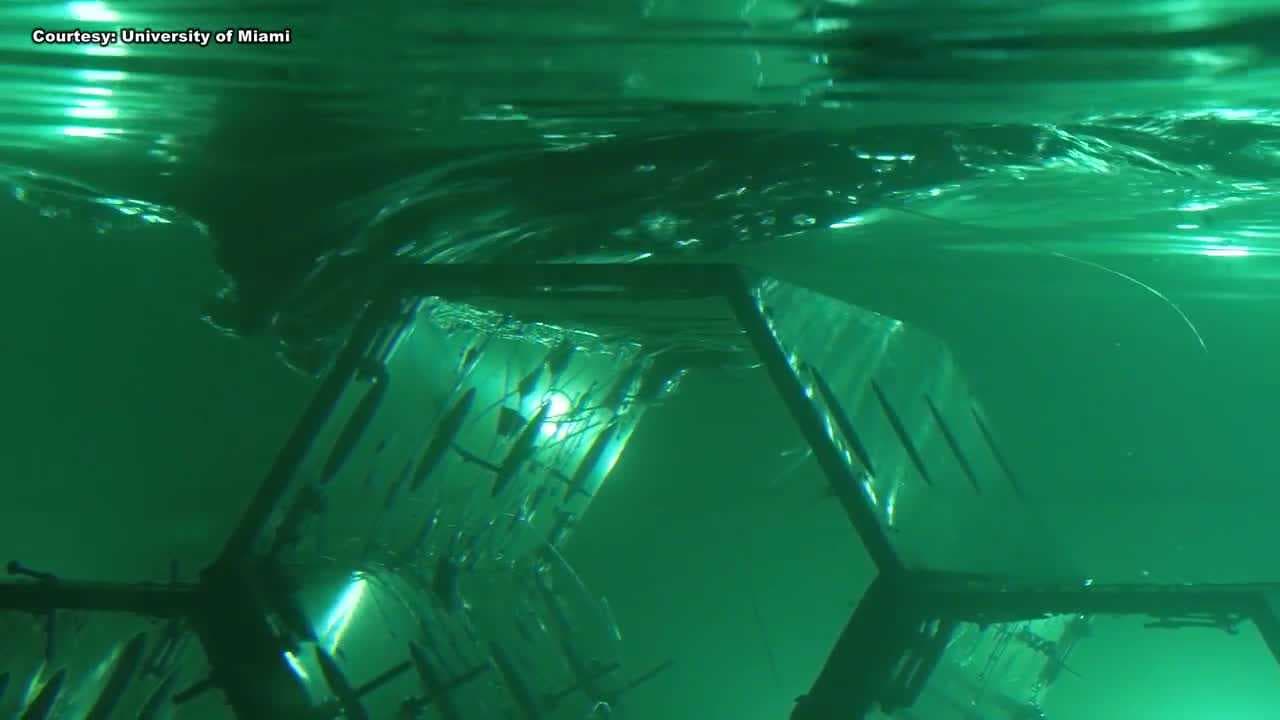
The SUSTAIN Lab features a massive fan paired with independently controlled paddles to replicate hurricane conditions.
This setup allows scientists to study the complex interactions between air and sea, providing crucial data that informs hurricane computer models.
The lab’s insights are instrumental in predicting how storms might rapidly intensify. Dr. Haus emphasizes the importance of confidence in forecasts.
“If we can help improve the forecast accuracy and provide it sooner, that will help people make better decisions,” Dr. Haus explained.
In addition to forecasting, the SUSTAIN Lab also uses its storm surge tank to test the durability of structures. By exposing scaled models to extreme conditions, researchers assess how well these structures withstand hurricane forces, aiming to build more hurricane-resilient communities.
As storms become increasingly destructive due to climate change, the work being done at the SUSTAIN Lab is vital in protecting communities and enhancing our preparedness for future hurricanes.