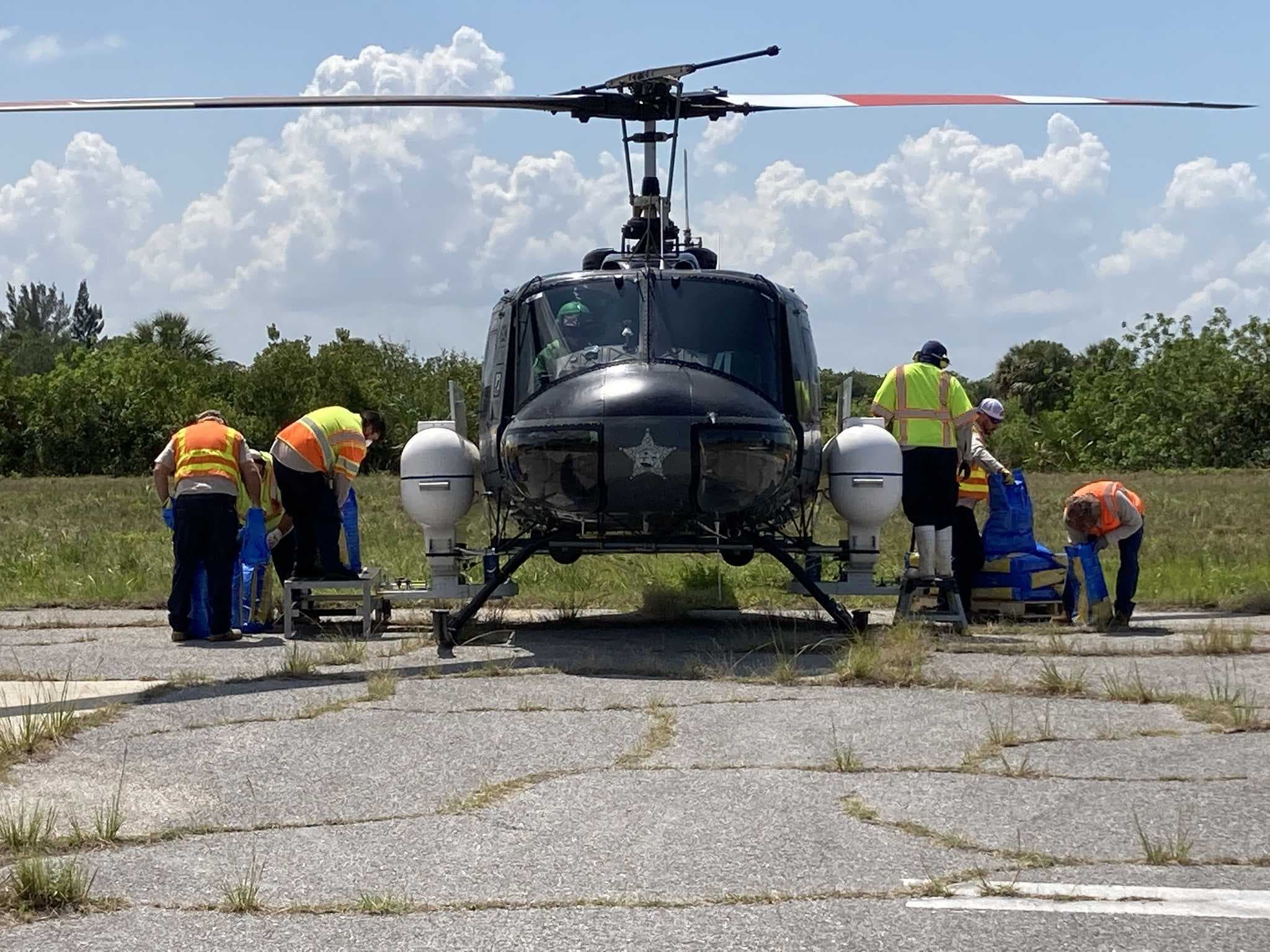
In response to a shift from severe drought to sudden downpours, the Charlotte County Mosquito and Aquatic Control Division has announced a new mosquito control initiative aimed at managing the rise in mosquito activity.
This comes as unusual mosquito behavior has been observed throughout the county due to the recent weather patterns.
To combat the surge in mosquito populations, the Mosquito and Aquatic Control Division has partnered with the Charlotte County Sheriff’s Office to implement an integrated pest management strategy.
The initiative focuses on targeting the aquatic larval stages of mosquitoes, particularly those in salt marshes.
The approach utilizes a labor-intensive granular larvicide method. This technique is designed to penetrate and treat hidden pockets of standing water, which are often breeding grounds for mosquito larvae.
By disrupting the larvae before they can mature into adult mosquitoes, the strategy aims to prevent the emergence of new mosquito broods and reduce overall mosquito populations.
"The recent transition from drought to heavy rainfall has created ideal conditions for mosquitoes to breed," a spokesperson for the Mosquito and Aquatic Control Division said. "Our integrated pest management approach is crucial in addressing this issue effectively and ensuring public health and comfort."
The collaboration with the sheriff’s office not only enhances the distribution of larvicides but also ensures a coordinated effort in reaching all affected areas. The granular larvicide method has been praised for its effectiveness in targeting hard-to-reach water sources, offering a robust defense against mosquito proliferation.
Residents are advised to remain vigilant and report any standing water sources around their homes to local authorities.
For more information on mosquito control and to report standing water, residents can visit the Charlotte County Mosquito and Aquatic Control Division’s website or contact their local government office.