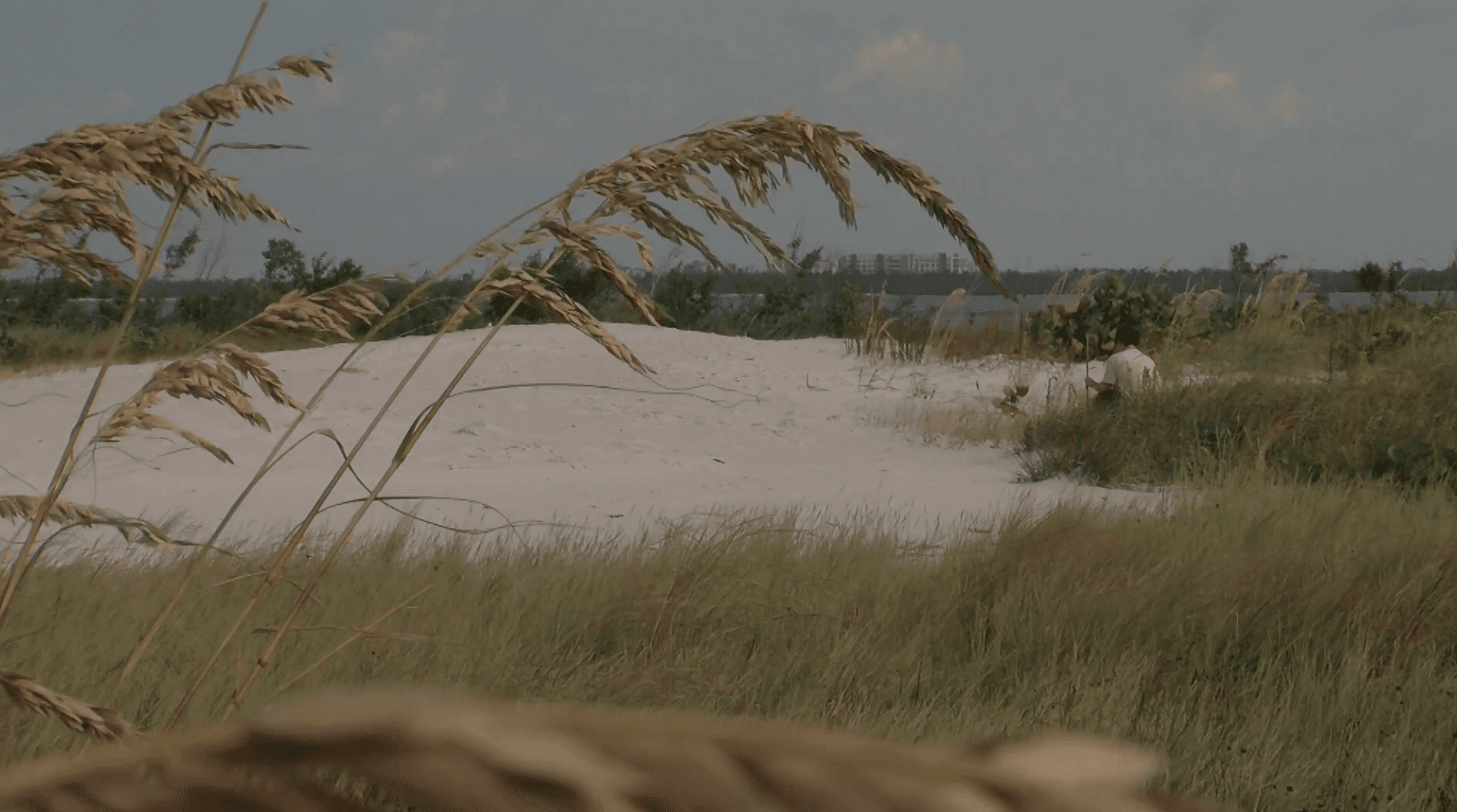
On the northern end of Estero Island is Bowditch Point Park – and a classroom, of sorts – for Florida Gulf Coast University student Tristan Dumas.
“It's a great place to work,” he told NBC2. “I wouldn't change it for the world."
It’s one of many beautiful beaches that stretch along the coastline of southwest Florida. Dumas hopes his work can help keep it that way.
“We're testing to see how different plants accumulate sand and gather up sand, and see which plants do it the best,” he explained.
“There is a lot of power in plants,” FGCU professor Jeannine Richards, who’s overseeing the work, told NBC2. “When you take a second and pay attention to the plants, they're really doing some cool things out here.”
Richards said not only can beach plants trap wind-blown sand and build up the dunes, but they can also weaken storm surge and help prevent erosion.
“The dunes really can be a protective barrier for us,” she explained. “One of my colleagues refers to it as the ‘fortress walls’ that are protecting our development along the beaches. And having that protection there is going to be critical moving forward.”
The research is happening over a full year at four beaches across southwest Florida. Dumas is examining five different plants in all to find the best dune builder – and hopefully – find the best way for our communities to build back better along the beaches.
For Dumas, it's much more than just a school project.
“It means a lot. My family saw damage from Ian and I know a lot of people who saw damage from Ian. And even Debby, I know people in the community who saw damage from that," he said. “Being able to help in any way to show or help prevent what happened is the ultimate goal.”