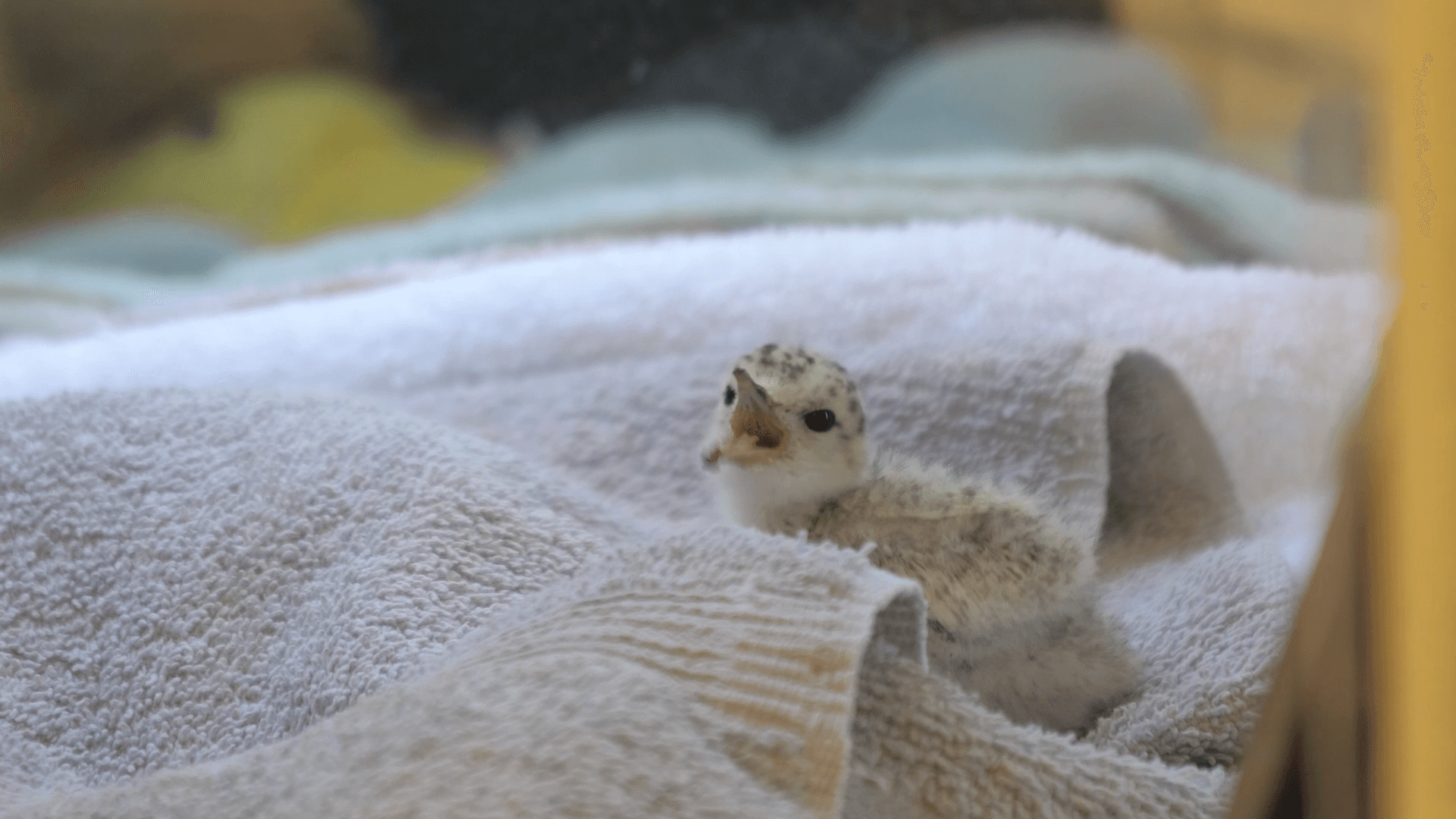
Multiple agencies are coming together to build bird nests for least terns along the Sanibel Causeway after decades of unstable numbers.
“Due to human activity and weather and storms and tides and stuff like that, that, they failed again in the '90s and didn't come back until last year,” Sanibel Captival Conservation Foundation shorebird biologist Aaron White said.
"They're really tiny white and gray birds with a black cap. Which is pretty common amongst tern species. But these terns are very small,” White said.
Least terns are one of many bird species that choose to nest along the water in Florida. Our state is a stop in their migratory journey.
“If you hear this a little high-pitched squeaky noise… that's a juvenile, basically that fledged from this past breeding season,” White said.
But that sound has not always filled the Sanibel air for quite some time. These state-threatened birds have had a rough go at it over the past few decades. They were first spotted here in 1963.
“But once the causeway was opened up to traffic, their chicks would run into the road, adults would dive bomb cars trying to defend because they see that as like a predator,” White said. “So they're dive-bombing cars. They would get hit by the cars. Beach vehicles were popular back then, so people would just be driving on the causeway itself, on the beach itself, so their nests would get run over.”
That same thing happened for years. White and his team at SCCF spotted the least tern nests turning back up last year.
“So 2023, it was the first time in over 30 years that at least terns attempted to nest on the island on the causeway specifically again,” he said. “They attempted two times the two separate colonies and unfortunately they were lost to too high tides with, the first kind of storms of the season.”
The SCCF is working with the Florida Department of Transportation and Florida Fish and Wildlife to set up bird nests and safe areas for these birds.
“They are good indicators of just the health of our beach,” he said. “So if we have birds that are constantly foraging on the, on the, on the coastline or, you know, foraging in the water and they're, you know, eating really well and staying healthy, then we know that our fish populations or our invertebrate populations, on the beach and in the water are also doing well.”
That is why White said it is important not to disturb their nests.
“We like to go out usually early in the morning and we just kind of, do a count of what we have there,” he said. “So we'll count, adults or count nests, and then we'll count chicks. And we just are kind of, monitoring their population levels and seeing what kind of success they're having in different areas of the beach.”
So far this year, White said the least terns are doing better than ever. He hopes that trend upwards continues.