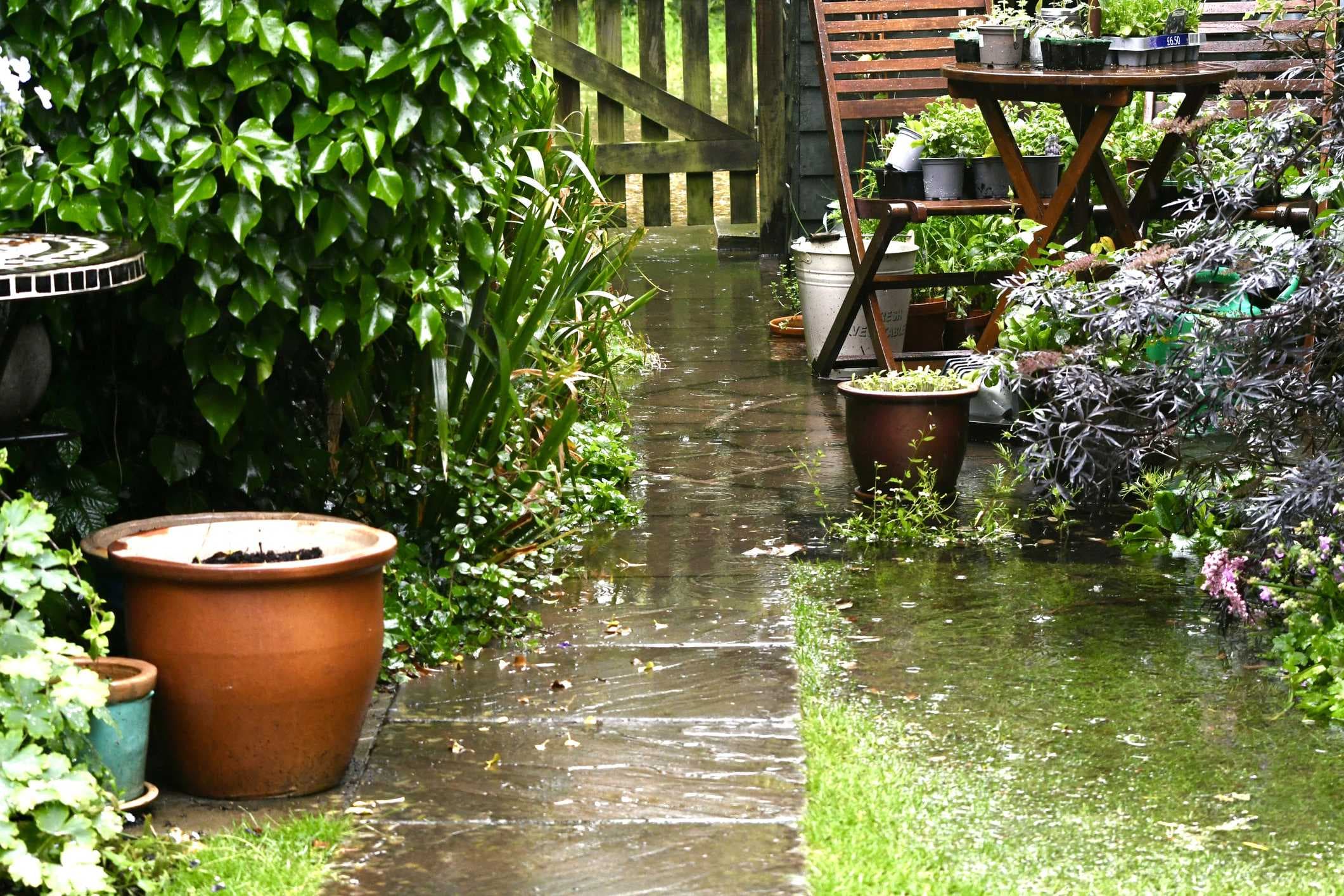
As hurricane season sweeps in from June 1st to November 30th, and especially peaks in August and September, it's crucial to prepare not just your home but also your garden.
With the recent scare of Hurricane Debby, ensuring the safety of your garden is more pertinent than ever. Here’s a guide to help safeguard your garden from the impact of hurricanes.
Avoid Overdecorating
While it might be tempting to add new elements like stones, gravel, or additional plants to beautify your garden, avoid doing so right before a storm. These additions can easily be displaced by high winds and heavy rain. Instead, opt for soft mulch or pine needles, which can absorb excess water and protect plant roots from erosion.
Secure Potted and Hanging Plants
Don’t forget about your potted and hanging plants amidst the chaos of hurricane preparation. Bring them indoors or place them in a sheltered location. For heavy pots, it might be best to avoid moving them to prevent injury. However, for severe hurricanes (Category 4 or 5), consider enlisting help to move these pots to safer spots.
Turn Off Irrigation Systems
With heavy rain expected, there's no need for additional watering. Shut off your irrigation systems a day or two before the storm hits to avoid overwatering and potential system damage.
Skip Fertilizing
Applying fertilizer before a hurricane is counterproductive, as much of it will be washed away by rain runoff. Save fertilization for drier periods to ensure it’s used effectively and avoids environmental harm.
Remove Stakes and Trellises
Stakes supporting plants and trellises should be removed or secured. Broken stakes can harm plants, and trellises might become projectiles. If necessary, lay down or tie down trellises to prevent damage.
Harvest Produce Early
If you have fruits, vegetables, or legumes nearing harvest, pick them a day before the storm. This will prevent them from being destroyed or turned into hazardous debris.
Remove Unhealthy Trees
Old or unhealthy trees are prone to falling during strong winds. Hire a certified arborist to inspect and, if necessary, remove hazardous trees that could pose a risk to your property.
Prune Overhanging Branches
Trim branches that hang over windows or structures. They could break and cause damage during the storm. A well-maintained garden is less likely to suffer severe damage.
Choose Hurricane-Resistant Plants
Opt for salt-tolerant and wind-resistant plants to increase your garden’s resilience. Salt-tolerant plants, such as Sea blight and Beach morning glory, can withstand salt spray and waterlogging. Wind-resistant trees, like Bald cypress and Sabal palm, have deep root systems and low centers of gravity, making them more stable in strong winds.
Pro Tip: Group Wind-Resistant Trees
Planting wind-resistant trees together can create a natural windbreak, protecting your garden from harsh winds and potentially lowering your air conditioning costs.
By taking these steps, you can better prepare your garden to withstand the challenges of hurricane season. Stay safe and keep your garden resilient!