Two good words to describe the sport of football: fast and physical .
Ray Desanto knows that all too well. The Ave Maria University wide receiver suffered a major knee injury two seasons ago.
“They told me I tore my ACL, my meniscus,” Desanto recalled. “When it happened, I was really nervous and scared. But I attacked it head-on. And you just can't give up."
Dr. Brian Wallace performed the surgery on Desanto.
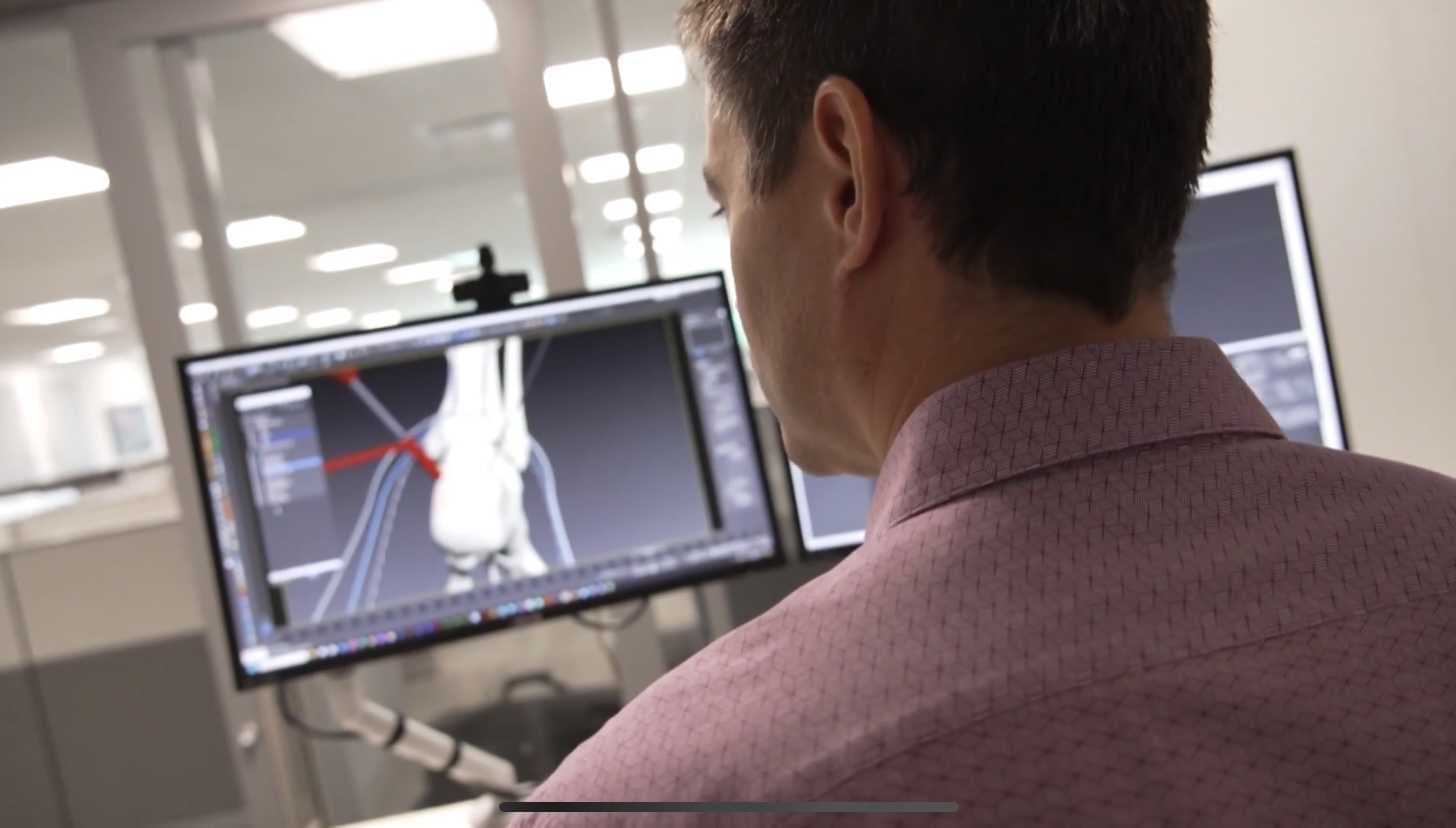
Wallace uses new technology and special animations from Arthrex – a medical device company headquartered in Naples – to help his patients.
“We're able to use some of these illustrations Arthrex has developed to show them what their injury looks like, the way that we repair it, the medical device used,” Wallace explained. “It really educates the patient on what they're going to be going through.”
Patrick Eckhold leads the 3D Animation department for Arthrex.
“The team has grown so much over the years, and the company as a whole too,” Eckhold told NBC2. “It's just amazing to see the astronomical growth.”
The growth goes way beyond just southwest Florida. What they create in Naples is now used across the world and is seen by more than just surgeons and patients.
This fall, you could see one of their animations on Sunday Night Football or Thursday Night Football.
“(The) big thing is taking all this complex medical jargon and just boiling it down to simple, relatable, understandable context,” Mike Ryan told NBC2.
Ryan is a former head athletic trainer in the NFL and now serves as the sports medicine analyst for Thursday and Sunday Night Football.
He’s been working with Arthrex for years to help bring their animations to the biggest stage.
“Even people within sports don't really know what's going on under the skin, and that's where Arthrex has been very helpful to give us animations that are very powerful — very visually appealing — and allow us to convey that medical information, those injuries, very quickly within a story,” Ryan explained.
Arthrex animations have also been featured in broadcasts for the Olympics.
Whether it’s for an audience of millions or for a single patient, the goal behind the work doesn’t change.
It’s to help educate people and help athletes – like Ray Desanto – get back to where they belong.
“Whatever you do in life, attack it head-on and don't give up,” Desanto said.