Florida Fish and Wildlife Conservation Commission officials advised boaters to secure their vessels before the arrival of Hurricane Milton.
“This storm has the potential to cause the kind of widespread damage we saw with Hurricane Ian,” said Col. Brian Smith, director of the FWC Division of Law Enforcement. “With Ian, we saw hundreds of boats on land and derelict in our waterways. We know how to prevent this from happening again and need boat owners to take this seriously. I cannot stress enough how imperative it is that you secure your boats now. Do not wait until it is too late.”
FWC provided some information via news release to help boaters prepare and prepare.
Officials said to move your vessel out of the water or take "extreme measures" to secure it if you're not able to take it out of the water.
Below is a list of precautions FWC made note of:
- If your boat can be trailered, haul it out of the water and move it to a safe location as far from tidal waters as possible. This includes kayaks and other recreational watercraft.
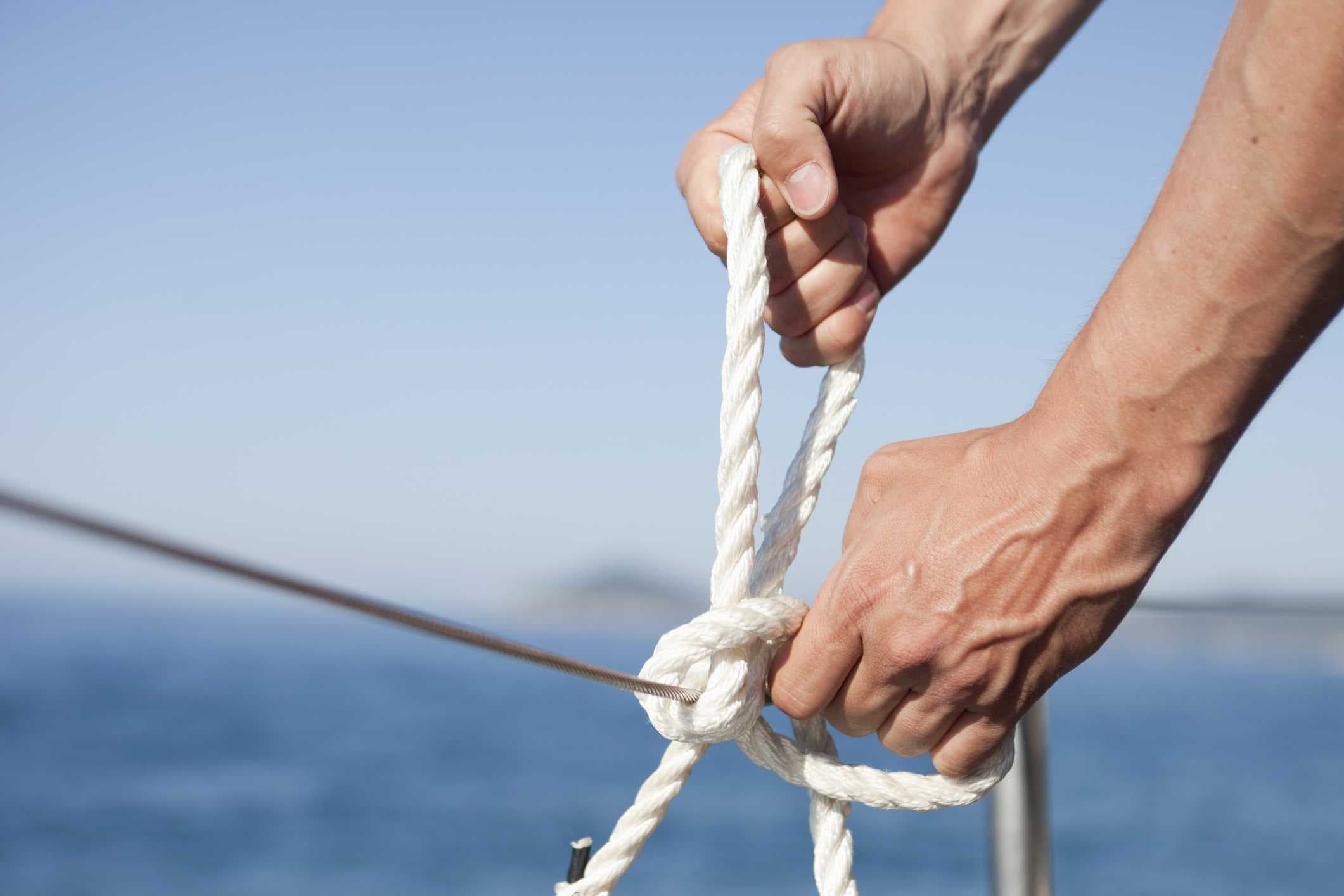
- If your vessel must stay in a marina berth, double all lines and rig cross-spring lines fore and aft, and attach lines high on pilings to allow for tidal rise or surge.
- If your vessel is at anchor, move to the most protected area possible and set out multiple anchors with at least a 10:1 scope, remove canvas coverings if possible, and remove or secure any sails.
- If your vessel is to remain on a mooring, make sure it is designed to withstand the load that your vessel will place on it. Inspect chains and swivels connecting to the mooring buoy and double up on the pendant.
- Remember to remove Electronic Position Indicating Radio Beacons (EPIRBs), life rings, life jackets and loose items from the boat and store them in a safe, indoor location.
- Use the Florida Boat Ramp Finder to find a ramp near you.
FWC also said to cover all lines to prevent chafing, charge batteries and ensure they can run automatic bilge pumps throughout the storm.
Officials also warned people to not stay onboard or venture out into rough conditions.
You can find more storm preparation resources on FWC's website by clicking here .