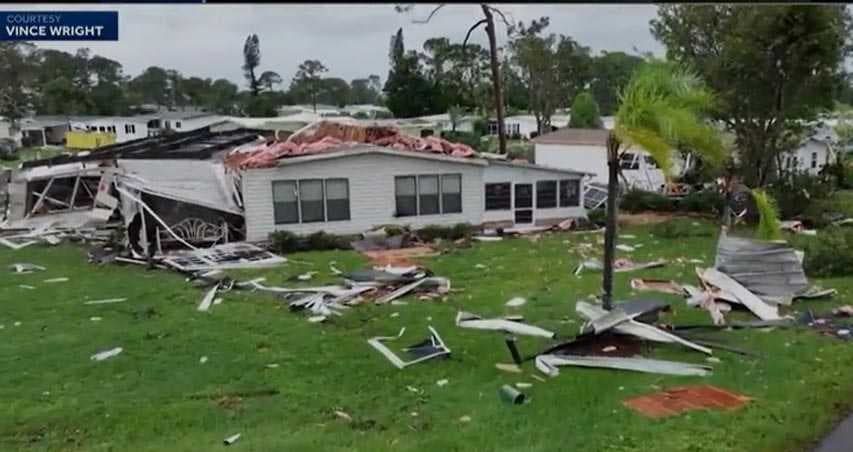
In the wake of Hurricane Milton, or any storm, Floridians are often faced with the daunting task of repairing damaged properties. While the immediate priority may be to restore normalcy as quickly as possible, homeowners must also adhere to local and state permitting requirements to ensure repairs are done safely and legally.
Failure to secure the right permits can lead to severe consequences, including financial penalties, safety risks, and further property damage.
The permitting process involves inspections by licensed professionals who verify that work is completed according to code, ensuring that structures are safe.
After a storm, common repairs that may require permits include roof repairs, window replacements, electrical work, plumbing repairs, and structural rebuilding. Even seemingly minor tasks, such as fence repairs or installing storm shutters, may necessitate permits depending on local regulations.

Neglecting to obtain the required permits can lead to multiple risks:
Safety Hazard: Unpermitted work may not meet safety standards, potentially leaving homes vulnerable to future storms. For example, improper roofing repairs could lead to leaks, mold growth, or even a roof collapse during the next storm. Electrical work done without permits can pose fire hazards or cause electrical failures.
Financial Penalties: If local authorities discover that repairs were completed without the necessary permits, homeowners may be required to pay fines and redo the work, often at significant additional cost. In some cases, unpermitted work can also affect property values and hinder the sale of the home.
Insurance Issues: Homeowners' insurance policies may not cover damage related to unpermitted work, leaving property owners liable for repair costs. During a claim review, insurers may deny coverage if they find that repairs were made without proper permits and inspections.
Delays in Recovery: Addressing unpermitted work can cause delays in the recovery process. If inspections reveal that repairs were not up to code, homeowners may have to halt progress on rebuilding efforts to correct these issues, potentially prolonging the time it takes to restore their homes.
How to Navigate the Permitting Process
To ensure compliance, homeowners should contact their local building department or county permitting office as soon as possible after a storm.
According to Collier Cunty, if you intend to construct, enlarge, alter, repair, move, demolish or change the occupancy of a building or structure, or to erect, install enlarge, alter, repair, remove, convert or replace any electrical, gas, mechanical or plumbing system regulated by the Florida Building Code, or cause any such work to be done, you are required to obtain a permit regardless of the cost.
Here's what to consider:
Assess the Damage: Before starting any repairs, evaluate the extent of the damage and determine which projects require permits. While emergency measures like placing tarps on roofs or boarding up windows may not need permits, permanent repairs almost always do.
Hire Licensed Contractors: In Florida, it is illegal for unlicensed contractors to perform work that requires permits. Licensed professionals are familiar with local building codes and can help navigate the permitting process, ensuring that all work meets legal standards.
Submit Permit Applications: Depending on the nature of the work, homeowners may need to submit detailed plans and undergo a review process before a permit is issued. Some jurisdictions offer expedited permitting services after a storm to help speed up recovery efforts.
Schedule Inspections: As work progresses, mandatory inspections by local authorities will confirm that repairs meet building codes. Passing these inspections is necessary for finalizing permits.
Permits may seem like a hurdle, but they are a vital component of protecting Florida's communities and ensuring that rebuilding efforts result in stronger, safer structures for the future.
Links for permitting: