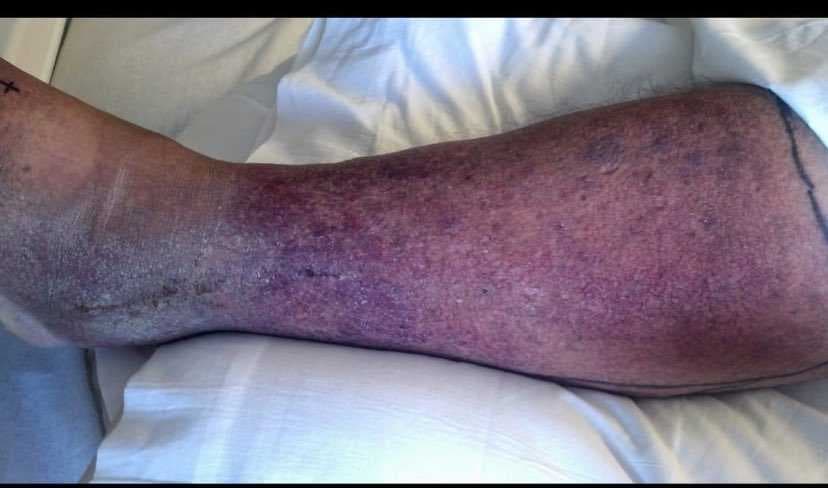
In the aftermath of both Hurricane Milton and Hurricane Helene, nine people in Southwest Florida have been infected with Vibrio vulnificus , a flesh-eating bacteria, according to the Florida Department of Health.
- Collier County: 1
- Lee County: 4
- Charlotte County: 4
"It's the tiniest little cuts. When we are trying to do things in contaminated water, like cleaning up after a storm or cleaning up before a storm, where the bacteria from the water just gets into the tiniest of wounds and can cause severe, severe life and limb-threatening infections," said Dr. Benjamin Abo, the chief medical director of Naples Fire Rescue.
Vibrio vulnificus thrives in warm, brackish water and reproduces rapidly following storm events, specifically due to flooding, storm surge, and runoff. It enters humans via open wounds, including scabs, cut nails, shaving, and more. The bacteria can cause blood infections, sepsis, skin lesions, and death, according to the Florida Department of Health .
"If you see that the wounds are starting to get really red and irritated, the red is spreading, or you have a low-grade fever or a high-grade fever. Then you should seek medical attention because you probably need a much deeper washout, and you probably need antibiotics," Abo said.

Lon Warrenfeltz, a Collier County resident, is one of many who have been infected by the bacterial disease. Warrenfeltz told NBC2 about 10 years ago that he had taken a swim at Lowdermilk Park beach before getting sick.
"This infection or this pain was totally different from other infections I've dealt with in the past. Usually, the pain is a little more gradual. This was sudden and intense, and I was like, we have to we have to go find out what's going on because this really hurts. It was very sharp, a shooting pain, and I just couldn't bear to put any weight on it. I had to get to the car. I was like, was something was wrong?" Warrenfeltz said.
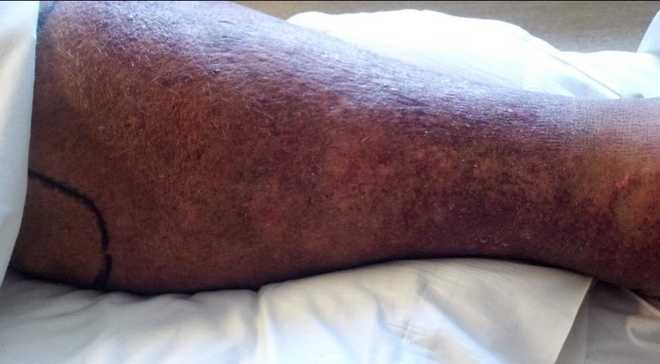
That infection led to two weeks in the intensive care unit and then another two months of bedrest before symptoms subsided.
"When I heard, I had the fear of even not only loss of the leg, but loss of life. As we found more out about it when we found out exactly the disease that I had, versus several different types of Vibrio, the one I had, they said people usually die within two days," Warrenfeltz said.
bThe Florida Department of Health in Collier County does not test beaches for Vibrio vulnificus but does regularly test for Enterococcus acteria as part of their Healthy Beaches program. Most beaches have been marked as clear of the bacteria, and others are currently inaccessible due to beach erosion and debris.