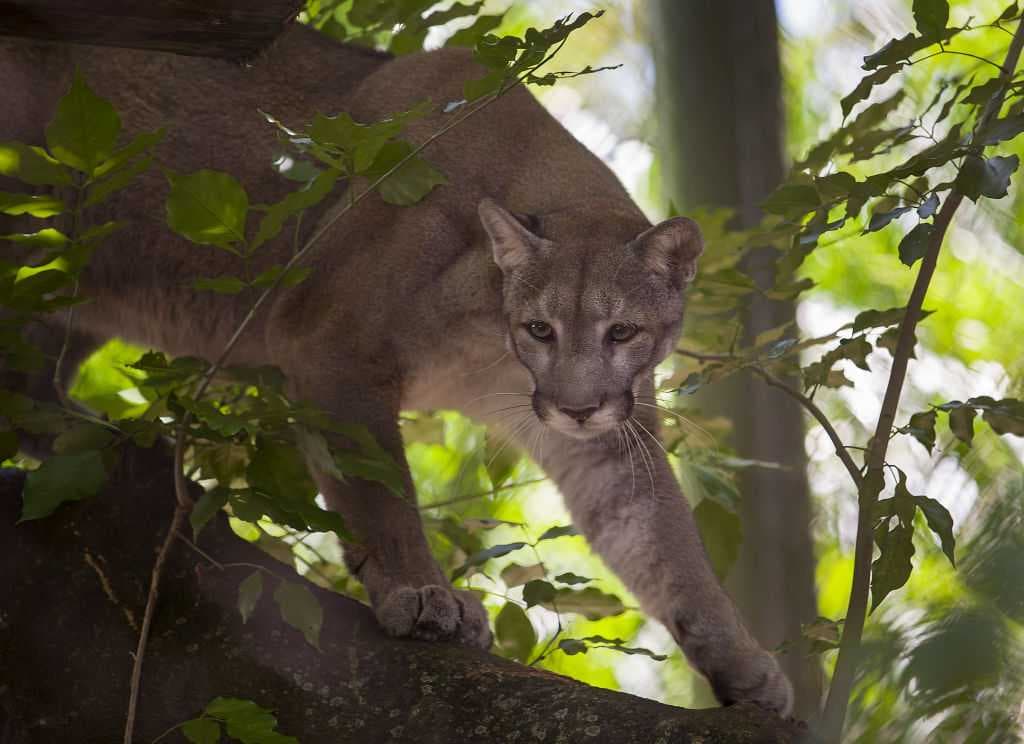
With just over 200 Florida panthers remaining, every loss hits hard. Over the weekend, a young female panther was killed after being hit by a car on Immokalee Road, south of Wild Turkey Drive.
The death raises concerns about the impact of future development projects, which could further threaten the endangered species.
“Here in Southwest Florida, we are the core remaining habitat for our endangered Florida panther,” said Amber Crooks, the senior environmental policy advisor at the Conservancy of Southwest Florida. “There’s only about 120 to 230 panthers left, and we’re seeing immense pressure from development, mining, and new roads pushing into their habitat.”
So far this year, 26 panthers have died, according to Florida Fish and Wildlife’s Panther Pulse site , with vehicle strikes remaining the leading cause of fatalities. Conservationists worry that new developments will put more panthers at risk.
“Over time, we’ve eaten into wildlife habitat, and we are fighting against bad development in environmentally sensitive areas,” Crooks said.
One proposed project raising concerns is the Immokalee Road Rural Village, which would sit near a wildlife corridor used by panthers and bears.
A map by Dr. Dan Smith of the University of Florida shows how these animals move through the region — from Bird Rookery Swamp in the west, through Horse Pen Strand in Golden Gate Estates, and into the CREW and Corkscrew Swamp Sanctuary to the north and east. The young female panther was struck near this corridor along Immokalee Road.
“This is just one of several large, devastating projects that will cumulatively impact thousands of acres of Florida panther habitat,” Crooks said.
Panthers are becoming more active with the start of mating season in October. Meanwhile, cooler weather brings tourists and seasonal residents back to the area increasing traffic.
“Well, I’ve also heard theories that, in terms of the panther vehicle mortalities, we do tend to start getting more vehicles on the road during our tourist season, and our seasonal residents are coming back, perhaps more people on the road as well during these cooler months of the year. So, we do tend to see a pickup in terms of the number of panthers being hit by vehicles during the cooler this time of year,” Crooks said.
The Conservancy of Southwest Florida and Audubon Western Everglades are actively working to stop developments that could add traffic to critical wildlife areas.
Drivers are urged to stay vigilant and watch for wildlife on the roads. Residents can also help by visiting the Conservancy’s "Take Action" page to send letters to the U.S. Army Corps of Engineers and the U.S. Fish and Wildlife Service — the two federal agencies responsible for approving these projects.