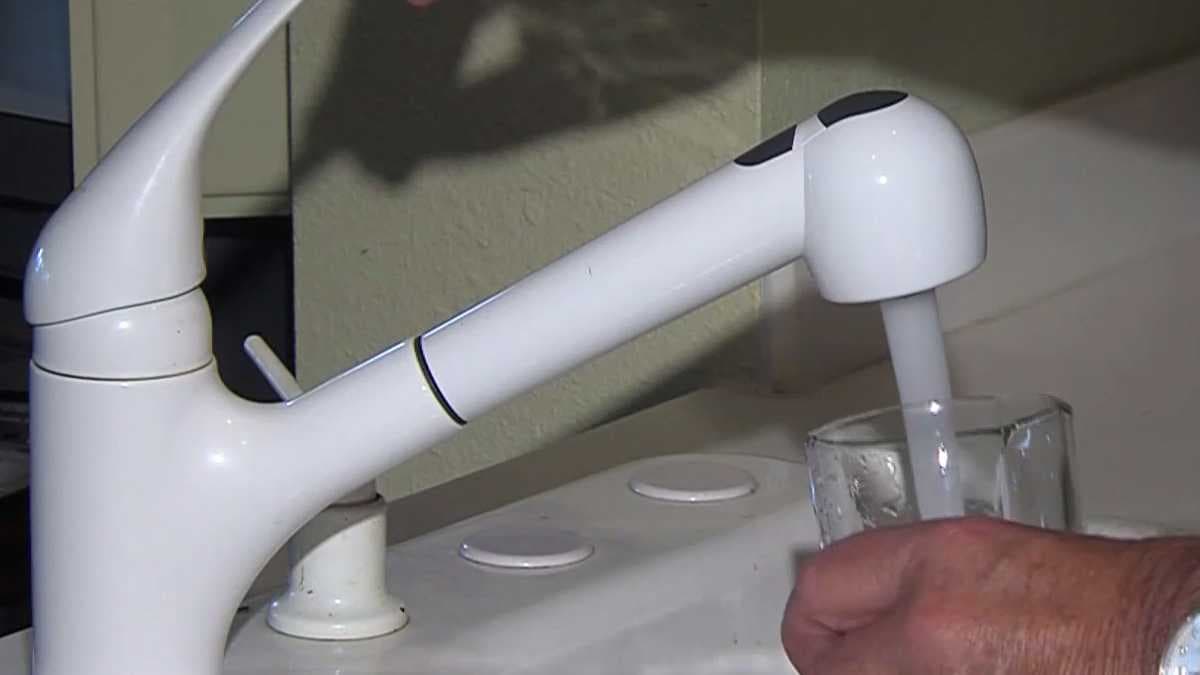
After nearly four decades of fluoridating its water supply, Collier County ceased the practice on Feb. 13, 2024, following a unanimous decision by the Board of County Commissioners after nearly four hours of public comment.

The vote was advocated for by many residents, in alignment with the recently passed 2023 Collier County "Health Freedom Bill of Rights" and the nonprofit advocacy group, Stand For Health Freedom.
“This is about informed consent. There’s no ability to opt out of fluoride in water. You’re getting it when you drink, when you bathe, and even in your food. That is completely and utterly unacceptable," said Marco Island resident Scott Kiley, who helped spearhead the "Health Freedom Bill of Rights" initiative .
Kiley also pointed to a September 2023 ruling by U.S. District Judge Edward M. Chen, which directed the Environmental Protection Agency to review fluoride regulations. The judge cited research indicating that higher-than-normal levels of fluoride exposure in prenatal women could lead to reduced IQ in children.
“This ruling was a wake-up call. We can’t ignore the risks any longer," Kiley said.
Naples Follows Suit
The debate over the health benefits or risks of the mineral Fluoride is now spreading to neighboring communities throughout Southwest Florida. On Nov. 7, Naples City Council voted 4-3 to advance a first reading of an ordinance to remove fluoride from its water supply. A final vote is expected in December at the Dec. 4 city council meeting. Naples has been fluoridating its water since 1950.

"If fluoride can reduce a child’s IQ by even a small amount, why are we still using it? The science is catching up to what we’ve suspected for years," said Joel Bohemier, a Naples Chiropractor, who owns a multi-thousand dollar filtration device at his home to filter his family's water.
However, opponents of the ordinance, like Naples cardiologist Dr. James Talano, warn of unintended consequences.
“Fluoride has been a game-changer for public health, especially for children in underserved communities. Removing it from the water could lead to a rise in tooth decay, which is linked to serious health issues like heart disease," Talano said.
National Study Fuels Local Decisions
The local fluoride debate gained considerable momentum after the release of a study in JAMA, which linked prenatal fluoride exposure to lower IQ scores in children. The study tracked 229 mother-child pairs and found that higher fluoride levels correlated with neurodevelopmental issues.
“We have to be cautious. We don’t add statins or antidepressants to the water. Why should fluoride be any different?" said Dr. George Yiachos, a Naples-based integrative cardiologist."
Proponents of fluoridation counter that the levels in drinking water are safe and provide critical dental benefits. In addition, the JAMA study studied nearly double the normal level of fluoride in its research.
“The fluoride levels studied were far higher than what we use. This isn’t a fair comparison," Talano said.
A Divided Community
Residents are deeply divided over the issue, with some praising the decision as a victory for personal freedom and others fearful over the potential public health impact, specifically to teeth.
“Fluoride in water was never about personal choice — it was about community health. This decision will disproportionately hurt low-income families who can’t afford regular dental care," said Naples resident Linda Torres, a retired dentist.
Jill Kiley, a Marco Island resident, pushed back on such arguments, framing the debate as part of a broader fight for individual rights.
“We started this movement after COVID showed us how easily freedoms can be stripped away. Our water should be free from unnecessary chemicals," Kiley said.
What’s Next?
While Collier County has already stopped fluoridation, Naples is still in the early stages of its debate. Meanwhile, communities like Marco Island and Everglades City remain unaffected, as they never adopted water fluoridation. Immokalee, however, continues to fluoridate its water with no plans to change.
The final decision in Naples is expected inside city council chambers on Wednesday, Dec. 4. The agenda item is time certain for 3 p.m., and public comment is encouraged.
"This is more than a debate about water. It’s about how we weigh risks, benefits, and personal freedom in public health," Yiachos said.