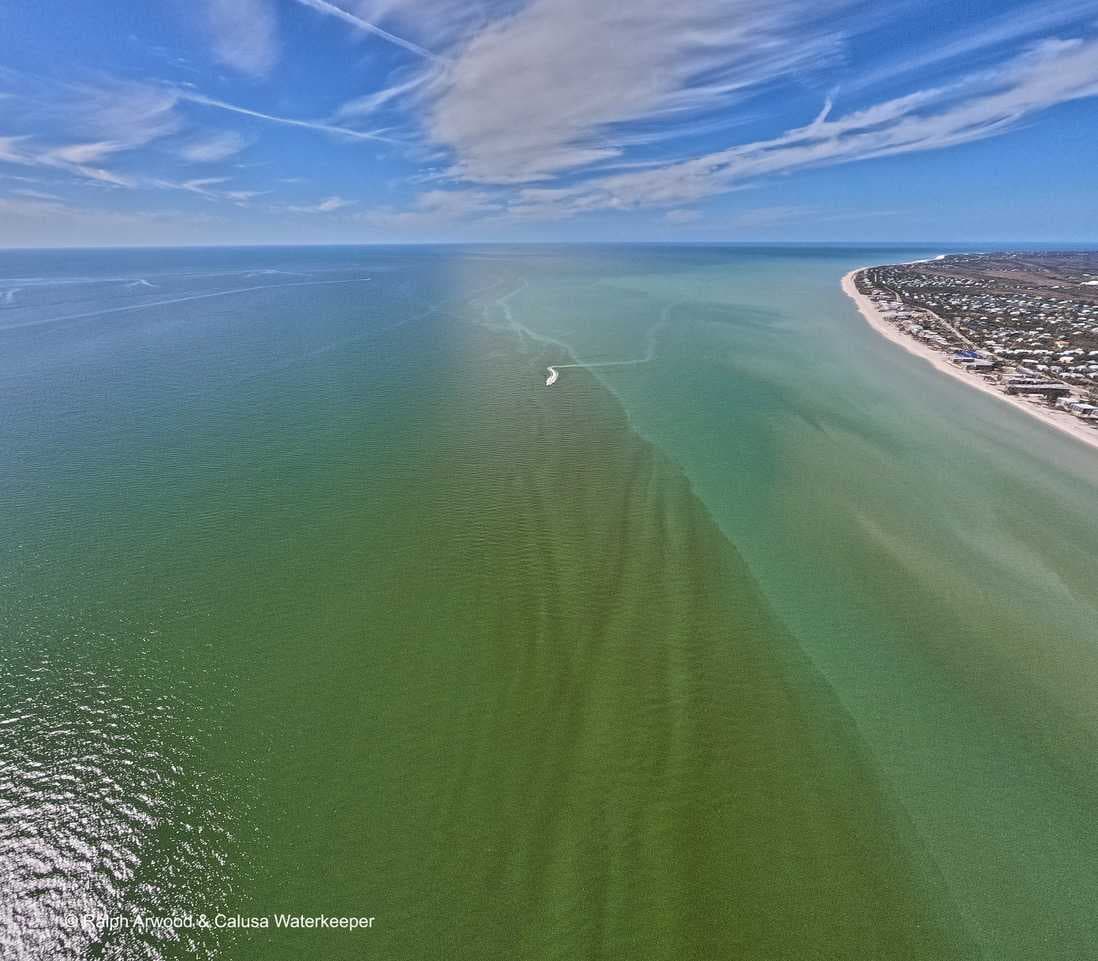
Health officials have issued a red tide health alert for waters near Bowman’s Beach on Sanibel Island following a recent water sample confirming the presence of the harmful algae bloom.
Related video: 100-square-mile red tide bloom lurks off the coast
According to the Florida Department of Health in Lee County, the sample was collected on Jan. 27 and showed elevated levels of Karenia brevis , the algae responsible for red tide.
A large-scale red tide bloom , roughly 100 square miles in size, is floating in the Gulf of Mexico about 25 miles off the Southwest Florida coastline, stretching from Charlotte Harbor to beyond Marco Island. S
Exposure to red tide can cause respiratory issues, skin irritation and other health concerns, particularly for those with chronic respiratory conditions.
Officials advise avoiding swimming or wading in affected waters, as red tide can cause skin irritation, rashes and eye discomfort.
Those who come into contact with the algae should wash their skin and clothing with soap and fresh water. Beachfront residents are encouraged to keep windows closed and use air conditioning with properly maintained filters.
Additionally, officials warn against harvesting or consuming shellfish from the area due to potential contamination.

What is Red Tide?
Red tide is a naturally occurring algae bloom that can be transported to coastal waters by winds and currents. The toxins released by Karenia brevis can be harmful to humans, pets, and marine life.
Symptoms of exposure may include coughing, sneezing, throat irritation and eye discomfort, with more severe reactions possible for sensitive individuals.
For an interactive map of the current red tide status, check out the interactive map from FWC .
Residents can also call a toll-free hotline at 866-300-9399 for recorded updates on red tide conditions statewide.
Anyone experiencing symptoms related to red tide exposure should contact the Florida Poison Information Center at 800-222-1222. Fish kills and other wildlife concerns can be reported to the Florida Fish and Wildlife Conservation Commission at 800-636-0511.