
Drop in Gulf water temps connected to cold-stunned sea turtle spell
The January cold snap that caused historic snow in Florida has cooled off much of the eastern Gulf

The January cold snap that caused historic snow in Florida has cooled off much of the eastern Gulf
The January cold snap that caused historic snow in Florida has cooled off much of the eastern Gulf
The January cold snap that caused record-shattering snowfall in northern Florida has also helped to significantly cool off water in the Gulf off the west coast of Florida.
The drop in water temperature was so significant that Florida Fish and Wildlife Conservation Commission reports more than 1,000 sea turtles were rescued off the state's coast after being cold-stunned in the last week.
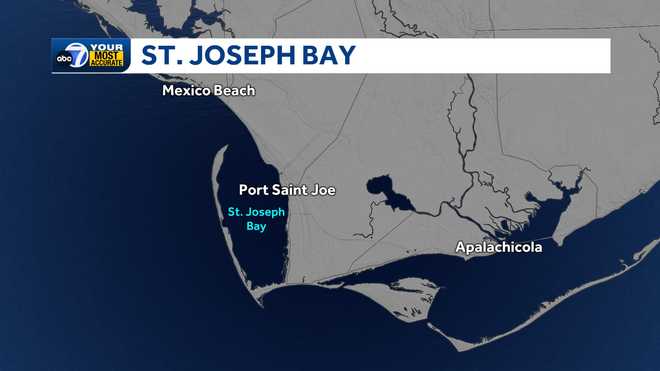
Many of the sea turtles were rescued near St. Joseph Bay, a region of the Gulf west of Apalachicola and east of Panama City.
Water temperature data shows many areas of the northern Gulf with sea surface temperatures below 60 degrees, with much of the water just off the western coast of Florida cooler than 70 degrees.
Sea surface temperatures this low are colder than what's typical during the last week of January.
The latest sea surface temperature anomaly maps depict much of the eastern Gulf running considerably cooler than average for this time of year. In the map below, areas in blue and green depict areas of the Gulf with sea surface temperatures that are below average.
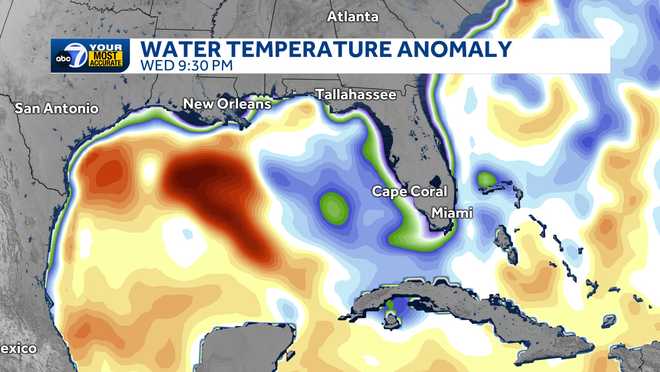
Something notable to point out is that water temperatures that are well below average are not being observed across the entire Gulf.
In the anomaly map shown above, regions highlighted in orange and red indicate regions of water with above-average temperatures, which is what most of the central and southern Gulf are experiencing as of the most recently available data.
Though no cold-stunned sea turtles have been observed off the Gulf Coast of South Florida, should you ever encounter one, call the FWC Wildlife Alert Hotline at 888-404-FWCC (3922).