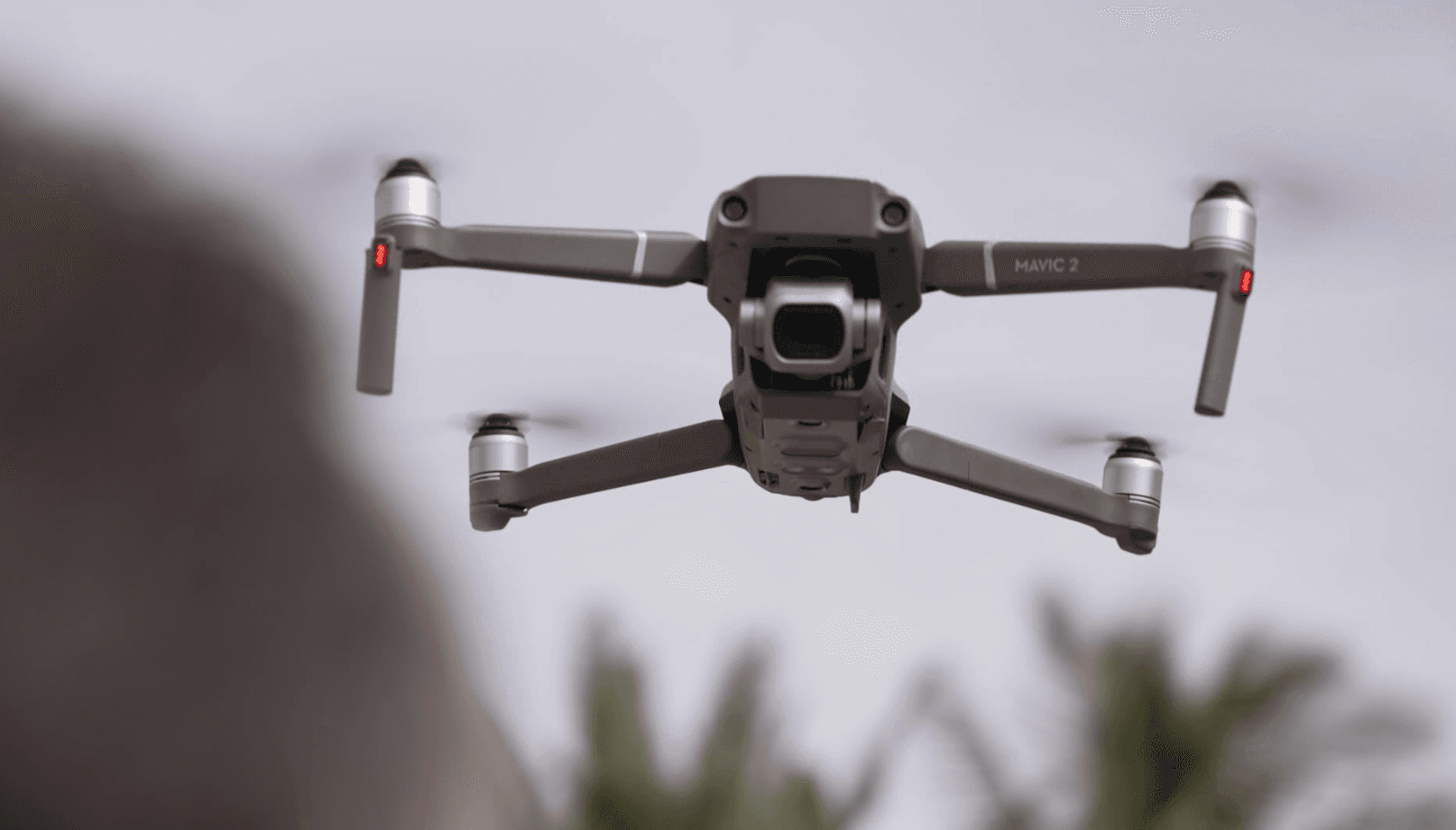
Over the years, drones flown by Gulf Coast News have helped show you the beauty of the place we call home.
They have taken you to unique places — places you couldn’t see otherwise — and have proven the power of the hurricanes that have ravaged our community.
But over the past couple of months, drones have become a national controversy.
It all started in November when mysterious lights were spotted over New Jersey, prompting an FBI investigation.
Home videos raised questions over what the apparent drones were and what they were doing.
The sightings fueled some bizarre conspiracy theories and brought forth some extreme suggestions, including that the drones should be shot down if necessary.
Ultimately, the FBI said the sightings were a mix of professional and amateur drones, some manned aircraft and even stars — not a national security or safety risk.
One thing that is clear amid all the controversy: In just a short period of time, drones have come a long way.
“(They’ve come) an incredible amount,” professional photographer Nick Adams said.
Adams has been flying drones for more than a decade. They are not only used for photography, but also by farmers and by law enforcement, among others. There are now more than 1 million drones registered in the United States.
Drones must be registered with the Federal Aviation Administration, and pilots are required to pass a safety test.
Federal rules allow pilots to fly drones in most locations below 400 feet. Restrictions include flying near airports and certain military bases, among other places. That means most neighborhoods are fair game.
“We can fly at night. We can fly over houses. We can — we just can't put people in danger,” Adams explained. “Most drones do not have the ability to zoom in and see personal things. They certainly can't see into your house, and if they were, you would be very, very aware of it."
If someone is flying way too close to you — or unsafely — call the local police.
Do not shoot down the drone. That’s illegal.
“You could go to jail. Literally. I mean, it's like, definitely do not do that,” Adams said. “Just because there is a drone over you, it doesn't mean you've got the right to shoot it out or damage it or do whatever you can to catch that drone. And chances are, it's actually got nothing to do with your particular property."
Adams acknowledges that it’s possible for new drone laws or for laws to change, but for now, he said it’s important to know that most people who fly them aren’t doing so for the wrong reasons.
“I don't think it's the problem that people perceive it as,” he said.