
Alexandra Theodore has battled sickle cell disease all of her life. It's a rare blood disorder that impacts the shape of her red blood cells.
"At the beginning of my life, it mainly controlled my life. It was all I knew," said 40-year-old Theodore.
Most patients rely on treatments, with the cure for the disease grossly expensive.
According to the Centers for Disease Control and Prevention, more than 100,000 people in the United States have the disease, and more than 90% are African American. For those living with it, it can be painful, debilitating and depressing.
"I'm often asked how to describe the pain, and I don't really know how to; all I can really say is that it just feels like someone is hacking at me with a machete or something," says Theodore. "Depending on how much it hurts, you might ask for death rather than staying through it."
Taking Control of Her Health
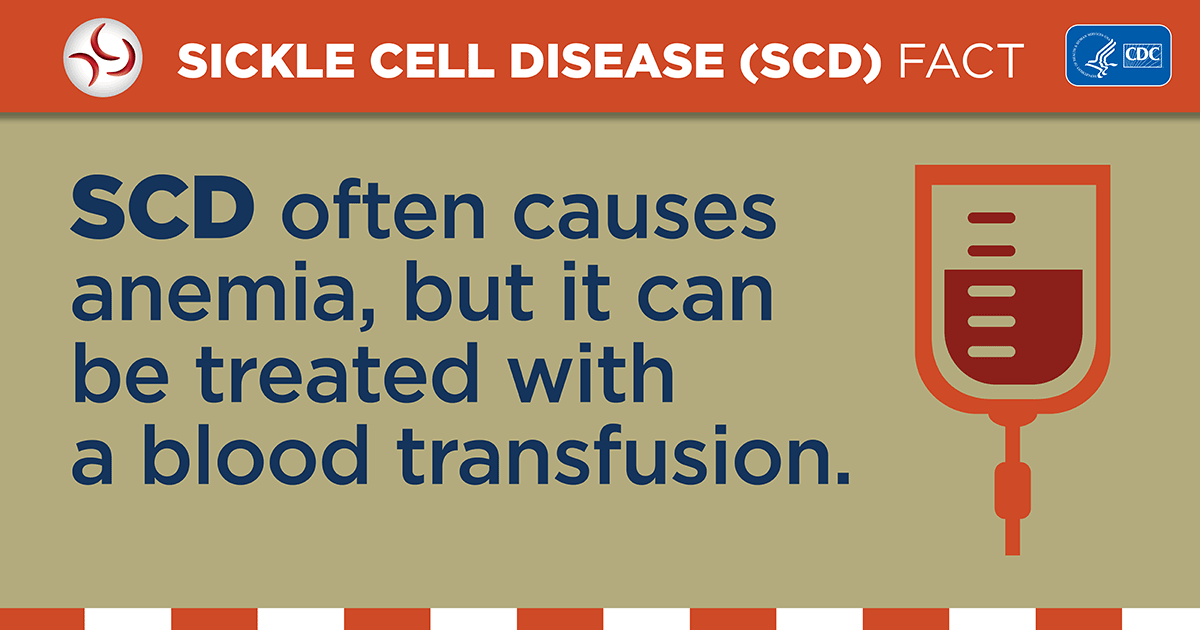
In the past decade, Theodore decided to take control of her health, not letting the pain from sickle cell disease control her life any longer. She got off hard medications, moved to Florida to find better doctors, and now gets monthly blood transfusions.
Many of those transfusions are coming from African American blood donors.
"For sickle cell patients, it becomes very important for them to have not only the right blood type for them but genetically similar blood as well, which means they need to have it from other African Americans or people of African ancestry," says Susan Forbes, senior vice president of corporate communications and public relations at OneBlood.
According to data from the American Red Cross, 1 in 3 African American blood donors is a match for people with sickle cell disease.
The Need for More African American Blood Donors
That's why local blood banks like SunCoast and OneBlood work to keep the blood supply as diverse and plentiful as possible.
"Every time an African American donor donates, if they’re a first-time donor, your blood will be screened to see if your blood is a match for a sickle cell patient first," says Forbes.
"You don’t think about blood until you need it or a loved one needs it, and you really want it to be on the shelves," says Brian Dryfhout, director of marketing and communications at SunCoast Blood.
According to SunCoast Blood, under 5% of blood donors at SunCoast Blood Centers are African American. Its goal is to raise that number and get as many donors as possible through the doors.
"Donors are my life. They are my lifeline," says Theodore.
Raising Awareness About Genetic Risks
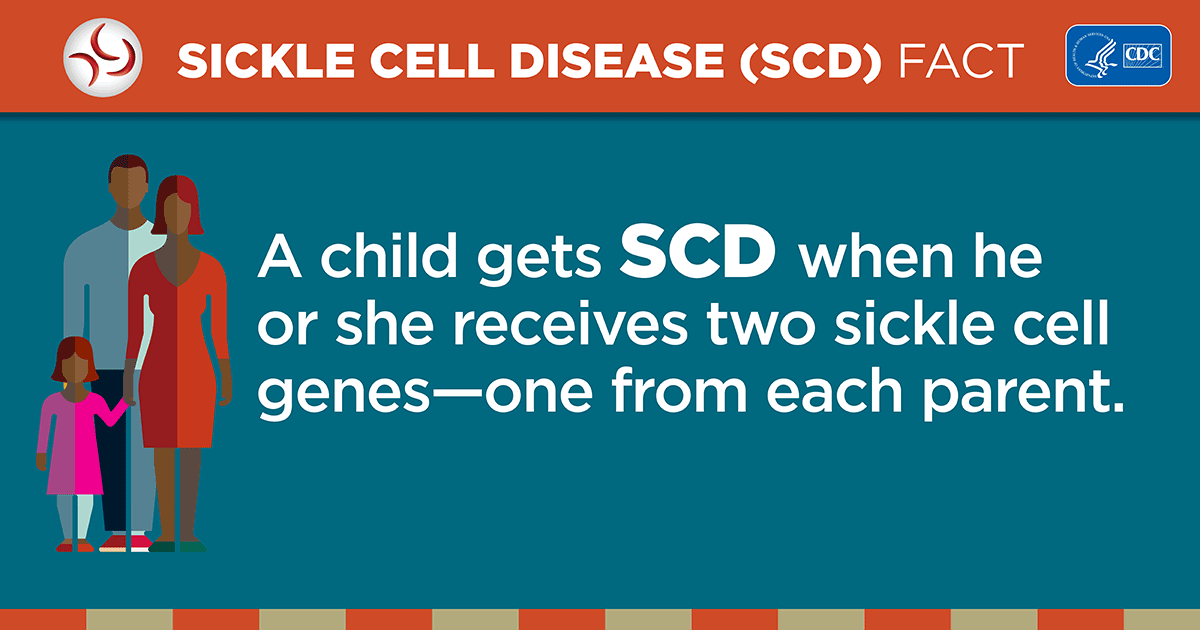
Theodore is now using her experience with sickle cell disease as a call to action for everyone to get blood tests to learn their genetic predisposition. Through these tests, you can learn if you carry the sickle cell trait. Those with the trait but have no symptoms could potentially pass sickle cell disease onto their children if both parents have it.
"It's not something that you want to keep sharing in our community," says Theodore.
SunCoast Blood is currently partnering with the
All of Us
research program by the National Institutes of Health. The program is inviting 1 million people across the U.S. to share their health information to improve health research.
Researchers may use some of the information collected at SunCoast Blood Centers to conduct thousands of studies. The goal is to find ways to prevent certain diseases.