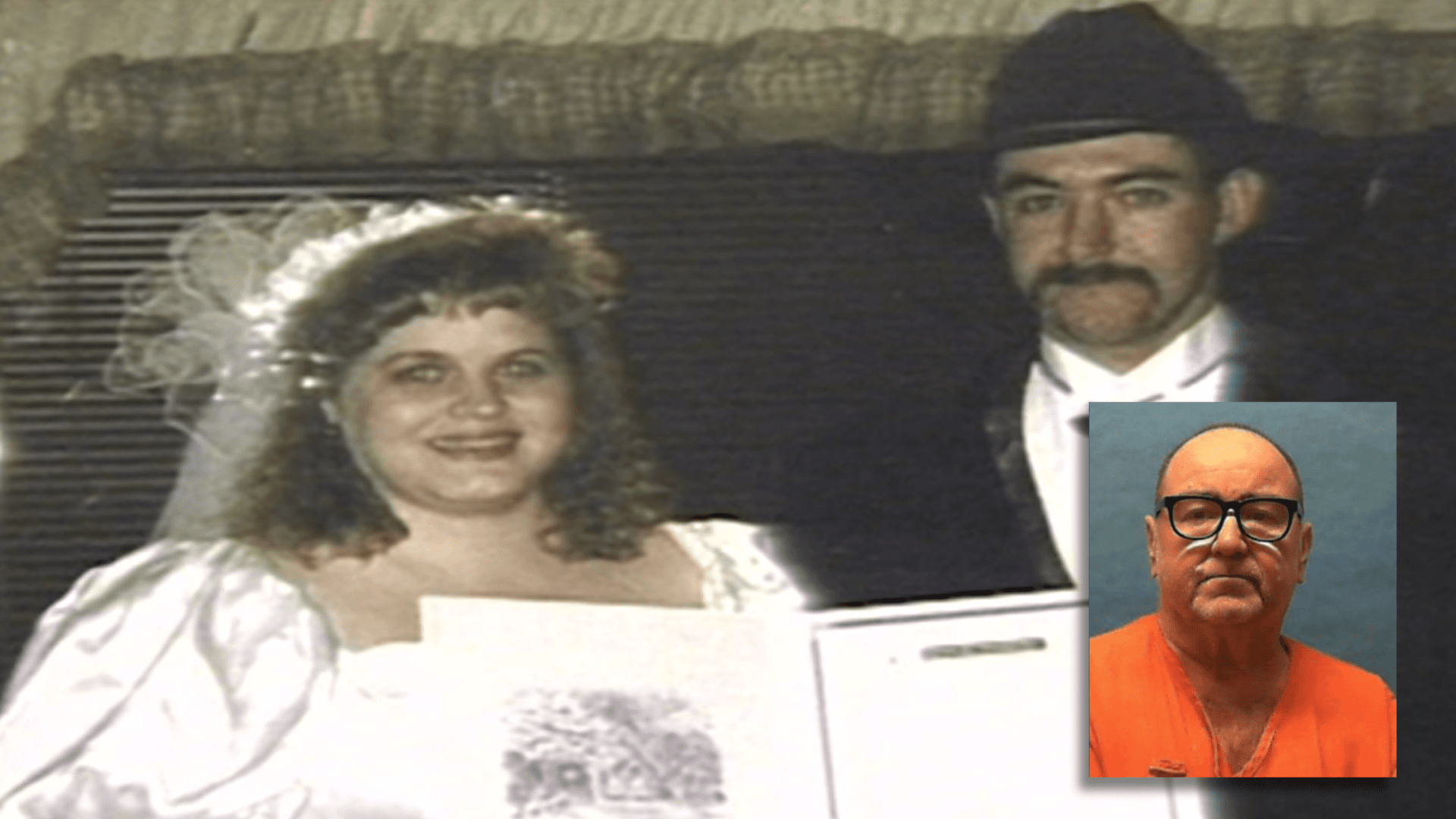
Daughter Speaks Out Decades After Parents Were Murdered; Their Killer Becomes the First to Receive the Death Penalty in 2025.
“I told one of my grandmas the other day you grieve the people you knew,” she said. “But I grieve what could have been.”
Maranda Malnory only knows her parents through two things: the memories of others and photographs.
“I wasn’t even two yet,” she said. “I have no recollection of any of what happened.”
Malnory was thirteen when she learned how her parents died. Eleven years before that, in 1997, her parents and another man went fishing. That trip ended in a double murder investigation.
Video from that day shows the crime scene where Charlotte County investigators said James Ford was with Greg and Kimberly Malnory at the South Florida Sod Farm.
Ford fled the scene, leaving a young Maranda alone, just feet from her murdered parents—one of the most shocking aspects of the case for investigators.
“And disturbing, the fact that the young child was left in the vehicle,” an investigator said.
Baby Maranda was covered in her mother’s blood—what appeared to be Kimberly’s final attempt to protect her daughter.
“I have the case files somewhere,” Malnory said. “But they’re hard to read, hard to stomach because I didn’t realize that’s what happened.”
Charlotte County Sheriff’s Office Major James Kernville helped investigate the case. His main role was interviewing James Ford, the primary suspect.
“During this investigation, I spent some time with him in a pickup truck, going through the property and having him recount their activities from that day,” Kernville said. “And based on some of that, there was biological evidence that was helpful in the case. Finding the weapon was also key.”
Ford beat Greg, shot him with a .22 rifle, and slit his throat with what appeared to be an axe. Kimberly was beaten, raped, and shot.
“DNA evidence has come a long way since then,” Kernville said.
Still, DNA belonging to Ford tied him to the murders, cementing his place in prison.
Now, 20 years later, the governor has given the order to execute Ford. In Florida, a jury no longer needs to reach a unanimous decision for the death penalty.
“Sadly, I think you’ll see prosecutors use it as a weapon,” Defense Attorney Michael Raheb said. “They can come to you and ask if your client will take life in prison without the possibility of parole or face the death penalty. All they need is eight to four. How can you assume that won’t happen?”
Raheb believes there are better ways to carry out a sentence.
“The way the state is operating, they’re probably never going to get rid of it,” he said. “But if you ask me, and anyone who practices law, it doesn’t make sense. We could use that money in much better ways.”
Inmates on death row are costly for the state and taxpayers.
“Do we not punish someone by putting them in a 4x4 cell for the rest of their lives?” Raheb said. “If you live 40 years in prison—good luck. That’s a long time. The cost of incarceration is a pittance compared to the cost of execution.”
On the other hand, investigators say justice is being served.
“Not to use a cliché, but the fact of the matter is that this is coming to an end, and there will be some closure for the family,” Kernville said. “Albeit what it is, but it will be closure. And this family has been through a lot.”
Especially for Maranda, who has now lived longer without her parents than with them. If she had the chance to speak with Ford, she would ask him why he did it.
“I would want to know why,” she said. “Just because nobody has been able to pinpoint that. But, to be honest, I don’t really care anymore.”
Even after his execution, one cold, hard fact remains: Maranda will never know her parents.
“Technically, my worst enemy is the person who did this,” she said. “But I wouldn’t wish this on my worst enemy.”
James Ford is scheduled to face the first execution of 2025 on Feb. 13.