While Marilyn Foley didn’t give birth to her son Jeremy, she was every bit his mother.
She adopted him at just 5 weeks old.
“He had a wonderful sense of humor,” she said. “He was very compassionate.”
However, Jeremy Foley struggled with medical issues since birth, and surgeries often led to the use of heavy medications.
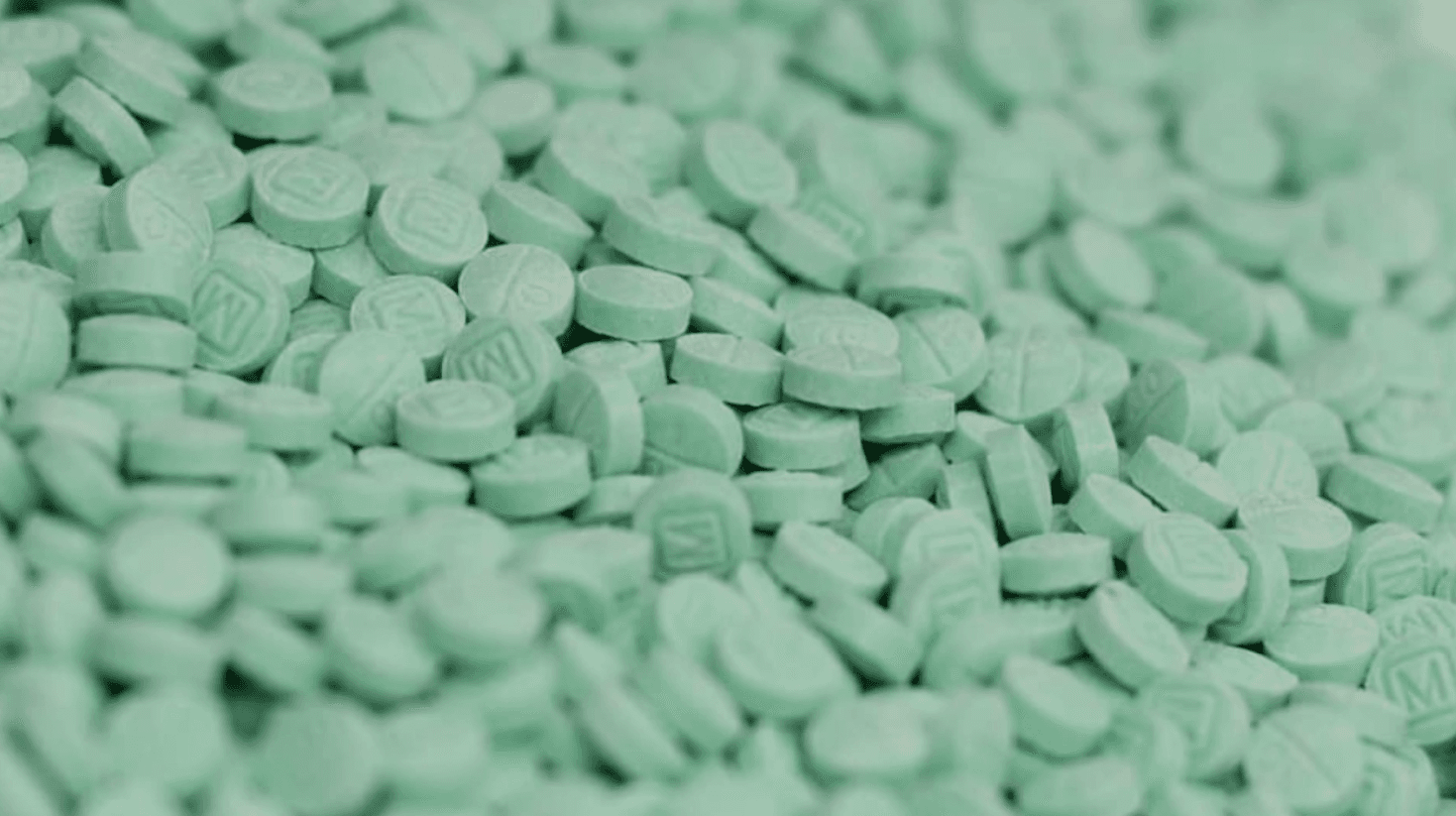
Eventually, he started abusing drugs, including fentanyl. It's a pharmaceutical opioid that’s also illegally made and sold, usually in powder or pill form.
It’s up to 100 times more powerful than morphine.
“March of '23, he was down to, like, 97 pounds,” Marilyn Foley recalled. “I mean, he was literally skin and bones."
In August of that year, Foley found her son unresponsive in his bedroom. He was rushed to hospital but did not make it.
Jeremy Foley died of a fentanyl overdose at just 32 years old.
“That's so hard to see on a death certificate. I mean, you know it in your heart. But when you see it," Marilyn Foley said. “It's helplessness. You always, the whole life, you know, 'I can do more. We can do more. Somebody can do something.' But you just have to let it go."
OVERDOSE DEATHS IN U.S. HAVE DOUBLED OVER THE PAST DECADE
Compared to just 10 years ago, the number of drug overdose deaths in the U.S. has skyrocketed.
Today, fentanyl is involved in nearly 70 percent of all of those deaths.
“It's the most dangerous drug threat in America,” Steve Brooder told Gulf Coast News.
Brooder is the CEO of St. Matthew’s House, a non-profit that runs an addiction recovery program , among other services.
Their memorial wall in Naples lists some of the names they couldn’t save.
“Fentanyl is now really one of the top reasons they're coming to us,” Brooder said. “It's so addictive.”
IN FLORIDA, FINALLY GOOD NEWS: FENTANYL DEATHS START TO DECLINE
The biggest battle against fentanyl is at the southern border of the United States. That’s because most of what’s seized comes from Mexico.
But in the fight against fentanyl locally, Florida is punching back. New data shows an 11% decline in Fentanyl-related deaths statewide. Lee, Hendry and Glades counties collectively saw a 27% drop, and Collier County saw a 13% decline.
FMPD FORMS NEW UNIT TO CRACK DOWN ON DEALERS
One reason for the decline is the tireless work by law enforcement agencies.
Charges were just filed in a massive bust by the Collier County Sheriff's Office. Investigators seized 10,000 fentanyl pills from a home in Golden Gate Estates.
And in Fort Myers, the police department just created a new unit to tackle the crisis.
“It is, in fact, an epidemic,” FMPD Det. Vincent Doyle told Gulf Coast News. “We've been discussing it, using that term to describe it — and it is an epidemic."
Doyle and Det. Edgar Nieves have teamed up to form the new unit, after a recent change in state law now allows dealers to be charged with murder if they supply the drug that causes a deadly overdose.
“It's not a secret anymore. Everyone knows fentanyl is killing people,” Nieves said. “So, if you're knowingly selling fentanyl, then you should not be surprised when you're charged with first-degree murder.”
That’s exactly what happened to Joshua Pulley , the department’s first case that successfully led to a conviction.
“If you're going to pedal this lethal narcotic in our community, you're going to go to jail,” Doyle said. “We're going to do everything in our power and leave no stone unturned to be able to accomplish that goal."
TREATMENT, EDUCATION ALSO KEY IN FIGHTING BACK AGAINST FENTANYL
Also key to stopping the state of addiction is access to treatment and education.
St. Matthew’s House works to provide both.
“Getting to kids that are young and helping them understand, this is real, this is deadly. I think that's important,” Brooder said.
Part of that education comes through the stories of people the non-profit has helped, like Jackson Willis.
He completed the recovery program and has now been clean for more than 18 months. He’s found faith and has reconnected with his family.
“I'm trustworthy now. I'm dependable. My kids call me — they know I'm going to show up today,” Willis told Gulf Coast News. “I'm not supposed to be here. I'm here for a reason. If I can help anybody, that's what I try to do."
Education also comes through the lives they’ve lost, like Jeremy Foley. He loved to cook and wanted to be a chef before fentanyl cut his life too short.
“He wasn't a drug addict on the street; he was a well-loved person,” Marilyn Foley said. “These people who have this problem. There's so much more to their story.”