While farming may be one of the oldest professions in Florida, they're embracing something new at Sakata Seed off State Road 82.
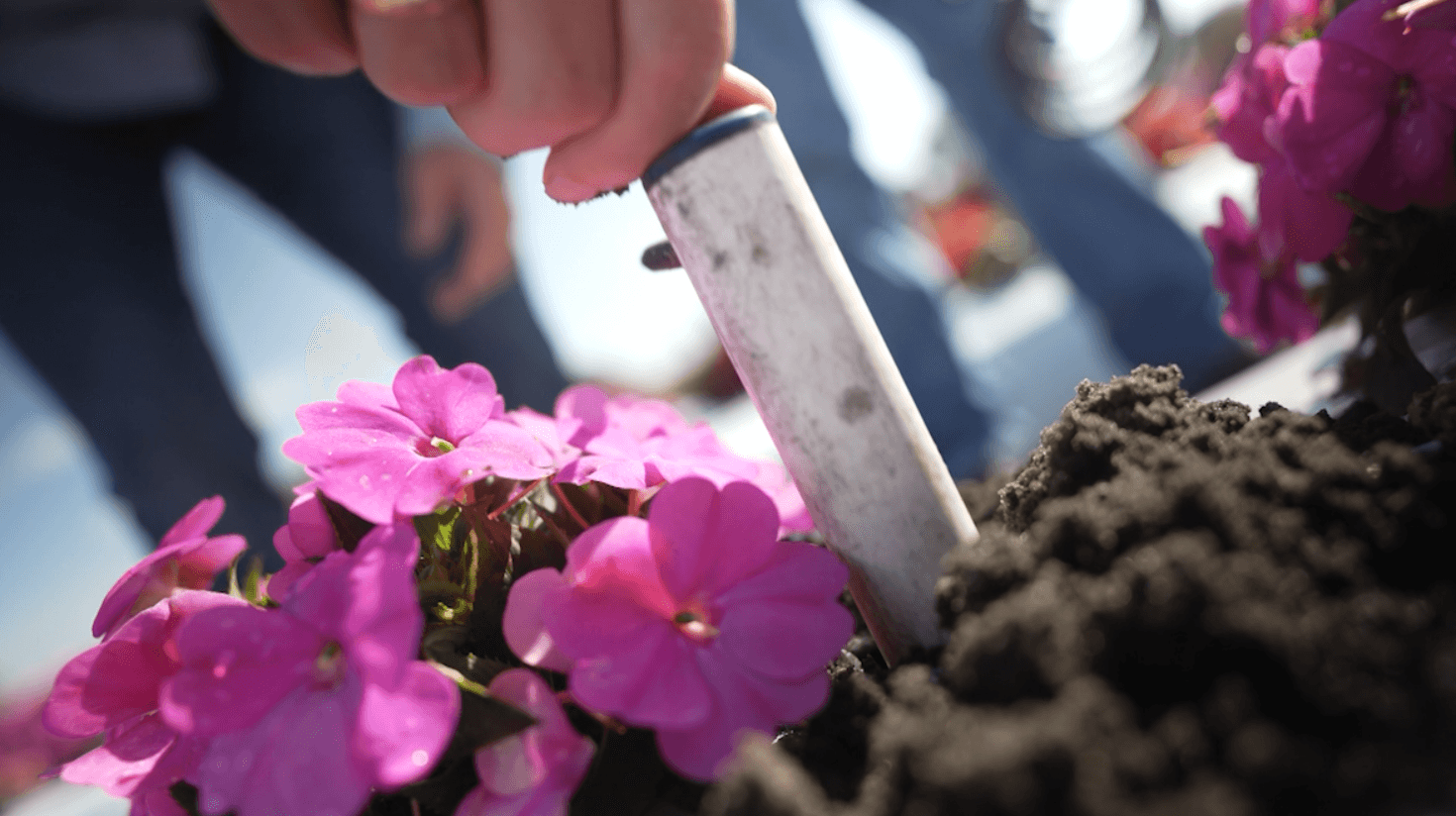
The farm is now using soil moisture sensors. Thanks to ever-evolving technology, they can get the results right to their smartphones.
“It's a matter of efficiency. It's a matter of being good stewards of our resources,” Cory Dombrowski told Gulf Coast News. “It enables us to get the plant just what it needs at the time it needs it. No more and no less."
Dombrowski manages the farm and how much water it needs.
Thanks to the sensors, which they’ve used over the past three years, they’ve had to use significantly less water.
“We've managed to reduce our water usage on average about 40 percent, which is quite a bit of water,” Dombrowski explained.
“For them to be successful generation upon generation, they have to be good stewards of the land,” Craig Frey, of the University of Florida’s Institute of Food and Agricultural Sciences , told Gulf Coast News.
Frey works with farmers in Florida. He got the grant money to get the moisture sensors and then helped farmers get them in the field.
“As technology continues to improve, they have more tools at their disposal, in their toolbox. To be more precise in what they do,” Frey said.
For Sakata Seed, the move to save water has also saved money. But as important as the economic impact is the environmental one.
After all, the farm shares the same water supply as people who live in the area.
“We're experiencing a lot of growth here in southwest Florida, so I think all of us need to use our water more efficiently,” Dombrowski said.
“We're always going to put a stress on our environment," Frey added. "Whether you are growing crops here, whether you're living here, whether you're recreating here. And so how can we do that as conscientiously as possible?"