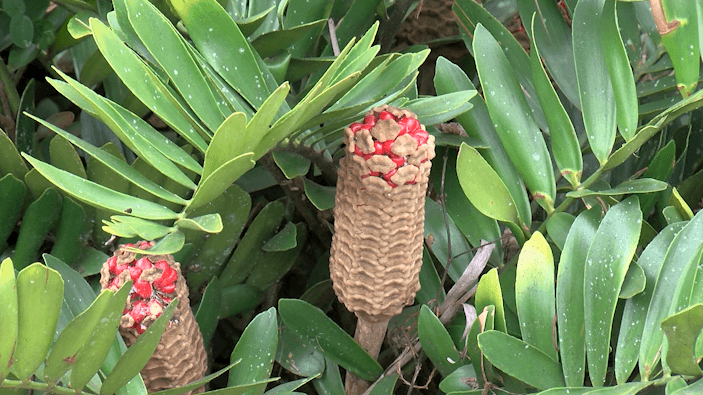
Two seemingly harmless and unassuming palm plants could pose a deadly threat to your family and pets, according to the University of Florida's Institute of Food and Agricultural Sciences (UF/IFAS). Both Sago and Cardboard palms—“sister species," which are common yard plants in Southwest Florida, both share the same lineage and lethal toxins.
Sago palms, though native to Japan, thrive in Florida’s tropical climate and are considered non-invasive, according to the Florida Fish & Wildlife Commission (FWC). The plants are slow-growing and can reach up to 15 feet over 50 years, often found in shady environments and known for their drought resistance.
Both sister species contain two potent toxins that can cause drastic side effects if ingested, according to the American Society for the Prevention of Cruelty to Animals (ASPCA).
- Cycasin , which has been linked to neurodegenerative diseases like ALS and dementia
- B-Methylamino-L-Alanine (BMAA) , which can cause seizures and comas.
Ingestion is fatal in 50% of reported cases.
“All cycads are toxic, and all parts of the plant except the seed coat. The seeds are covered with a bright red coating that attracts birds and animals, making them particularly dangerous," said Chip Jones, owner of Jones Landscaping Nursery.
“If a dog bites into the seed and destroys it, there are toxicity issues. The safest route is to plant a known male cycad, which won’t produce seeds," added Jones.
At the Empowerment Farm in Golden Gate Estates , farm staff is currently working to remove Cardboard Palms from the property, which were left behind by a previous owner.
“It’s essential (to remove them) if you have young kids or curious pets like dogs, cats—or even goats on a farm. These plants can be very dangerous,” said Ashley Ebright, the farm manager.
Symptoms of poisoning can include vomiting, bloody stool, jaundice, seizures, excessive salivation and even liver failure. If you suspect your pet has ingested part of a toxic palm, seek emergency veterinary care immediately.