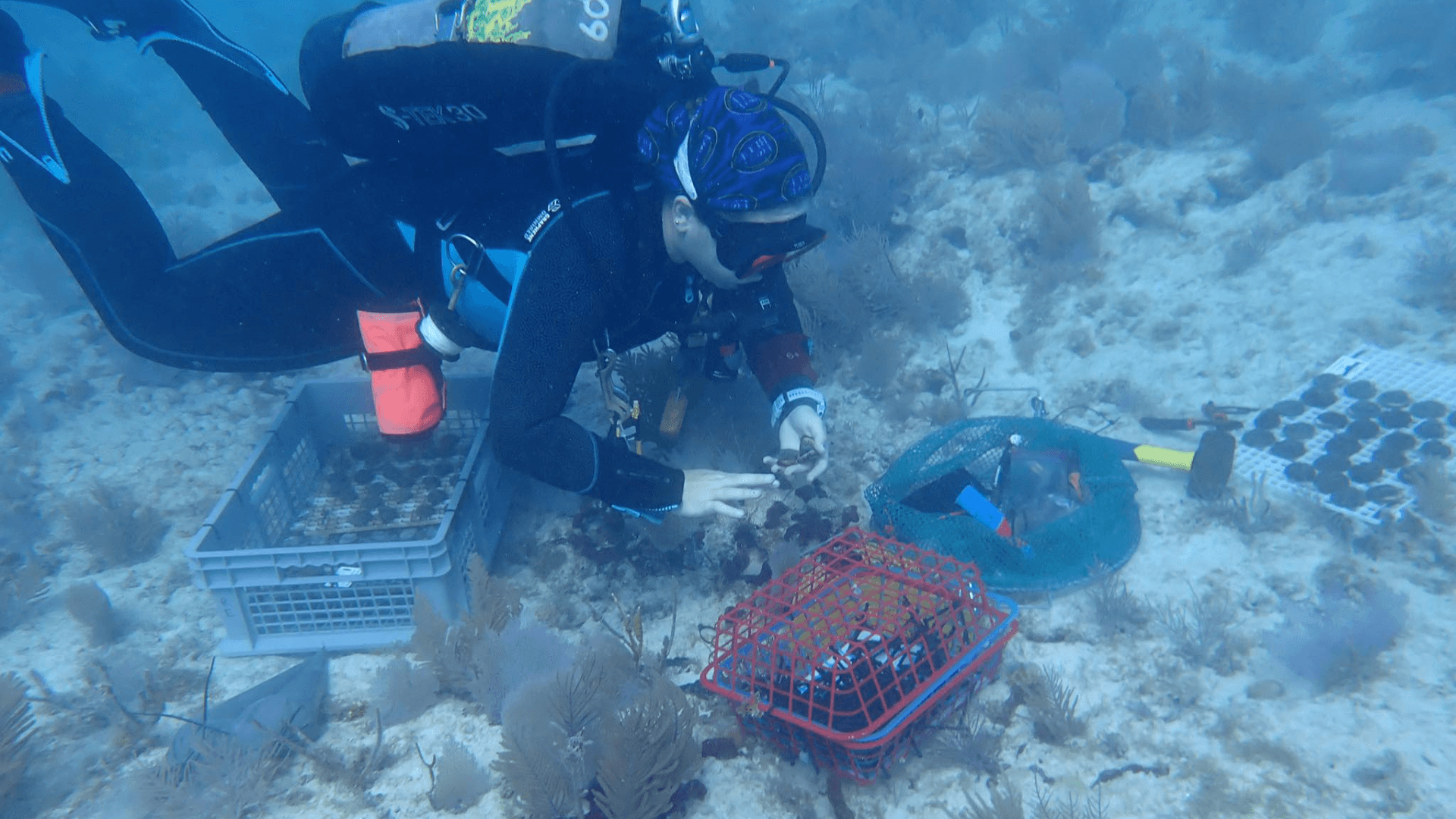
A new biodegradable tool designed to protect newly outplanted corals is being tested in the Florida Keys as part of an innovative pilot project aimed at restoring Florida’s Coral Reef.
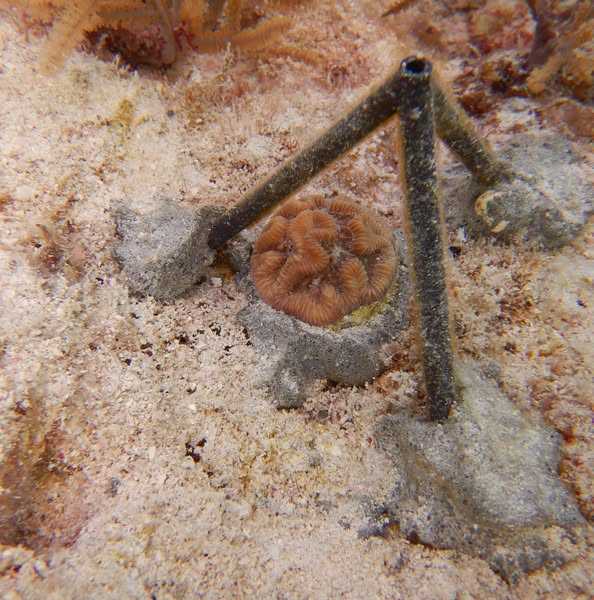
The Florida Aquarium and the Florida Fish and Wildlife Conservation Commission (FWC) have deployed the Coral Defender, a 3D-printed structure made from naturally occurring polyhydroxyalkanoates (PHAs), to safeguard corals from predators and enhance their survival.
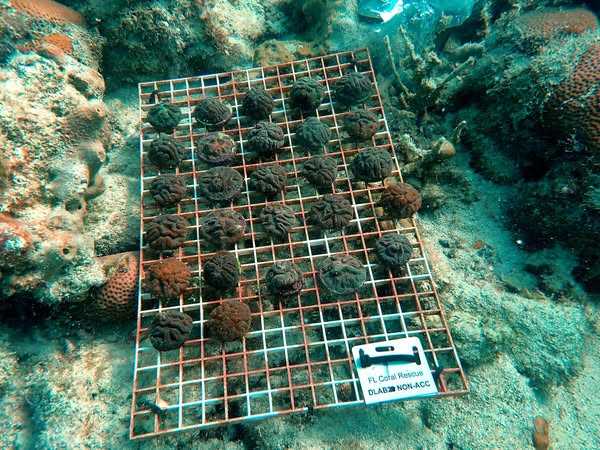
According to FWC, divers from both organizations recently outplanted 660 young corals onto four reef sites within the Florida Keys National Marine Sanctuary. The corals, which include grooved brain, symmetrical brain, and ridged cactus corals, were raised at The Florida Aquarium. Scientists placed the Coral Defenders on half of the outplanted corals to test their effectiveness compared to unprotected corals.
FWC researchers will monitor the corals for the next 1.5 years, focusing on three key areas: the Coral Defender’s ability to shield corals from fish predation, the material’s degradation rate in the ocean, and the overall survival of the outplanted corals. Factors such as species, habitat type, and acclimation to the marine environment will also be evaluated.
“Our Coral Defender represents an evolution in coral restoration,” said a research scientist with FWC’s Coral Research Program. “By providing a biodegradable, yet effective defense against predators, we’re giving these corals a fighting chance to grow and thrive naturally.”
Florida’s Coral Reef has faced severe degradation due to climate change, disease, and human activity. Efforts like this pilot project aim to bolster reef restoration strategies and improve long-term coral survival.
If successful, the Coral Defender could become a vital tool in future coral conservation efforts.
DOWNLOAD the free Gulf Coast News app for your latest news and alerts on breaking news, weather, sports, entertainment, and more.