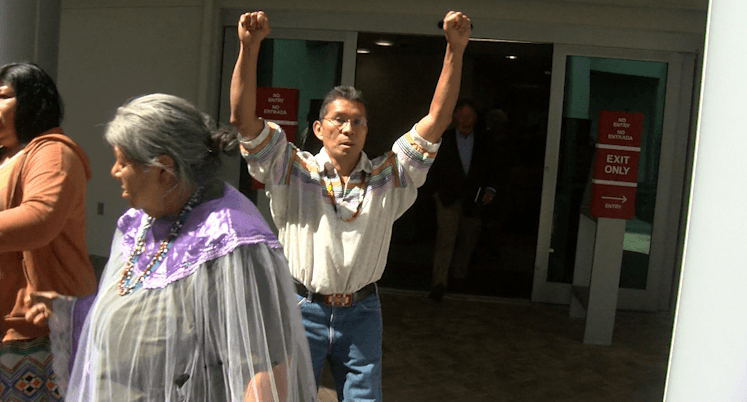
On Tuesday, Collier County commissioners rejected a plan to build a 350-foot communications tower in the Everglades after strong opposition from Native American communities, local businesses and environmental advocates.

The tower was set to be built about 1,000 feet from the Skunk Ape Research Headquarters and Miccosukee land in Ochopee, along U.S. 41 heading toward Miami. County officials said it was necessary to replace an existing tower in Carnestown, which sits on federal land and is expected to be turned into an Everglades National Park Visitor Center. Officials also argued the new tower would improve emergency response communications and potentially expand cell service.
“The intrusion, the invasion continues to occur on a daily basis. It’s a little step in the right direction to the place where we would like to go — not only as Native Americans, not only as the Seminole Tribe but for the human race and the environment," said Daniel Tommie of the Seminole Tribe.
Opponents of the plan raised concerns about deforestation, harm to wildlife and the potential health risks of living near the tower. A petition against the project gathered more than 2,000 signatures, which is significant for the sparsely populated area that is mostly remote.
“This has been really encouraging to me moving forward. We face a lot of different issues out in the Everglades, and today, I’m glad to say it was a success,” said Jack Shealy, owner of the Skunk Ape Research Headquarters.
During Tuesday’s standing-room-only commission meeting, 32 public speakers — most of whom were Native American — urged officials to reject the tower. Initially, commissioners voted to delay a final decision, but after hearing public comments, they unanimously denied the proposal.
“It really speaks volumes about the interest in the Everglades and the importance of acknowledging underserved cultural communities, especially the Indigenous community,” said Shealy.
Looking ahead, commissioners say they will now work with the federal government to determine whether a portion of the future visitor center can support a communications tower or find an alternative site.
“The message was heard clearly. I believe the commission did exactly what they needed to do,” said Gary Wilcox, a member of the American Indian Movement.