We’ve been talking about plane crashes a lot lately. These include the deadly collision between a helicopter and an American Airlines jet over our nation’s capital and a crash in Naples on the first day of the year.
The concern is showing up in potential passengers. In a recent poll commissioned by the Points Guy and conducted by the Harris Poll, nearly 2 in 3 Americans said they are more nervous about flying following those incidents. Here on the Gulf Coast, there’s a flight school training the next generation of aviators. We went into the simulator to see how it keeps safety in the skies at the top of every lesson.
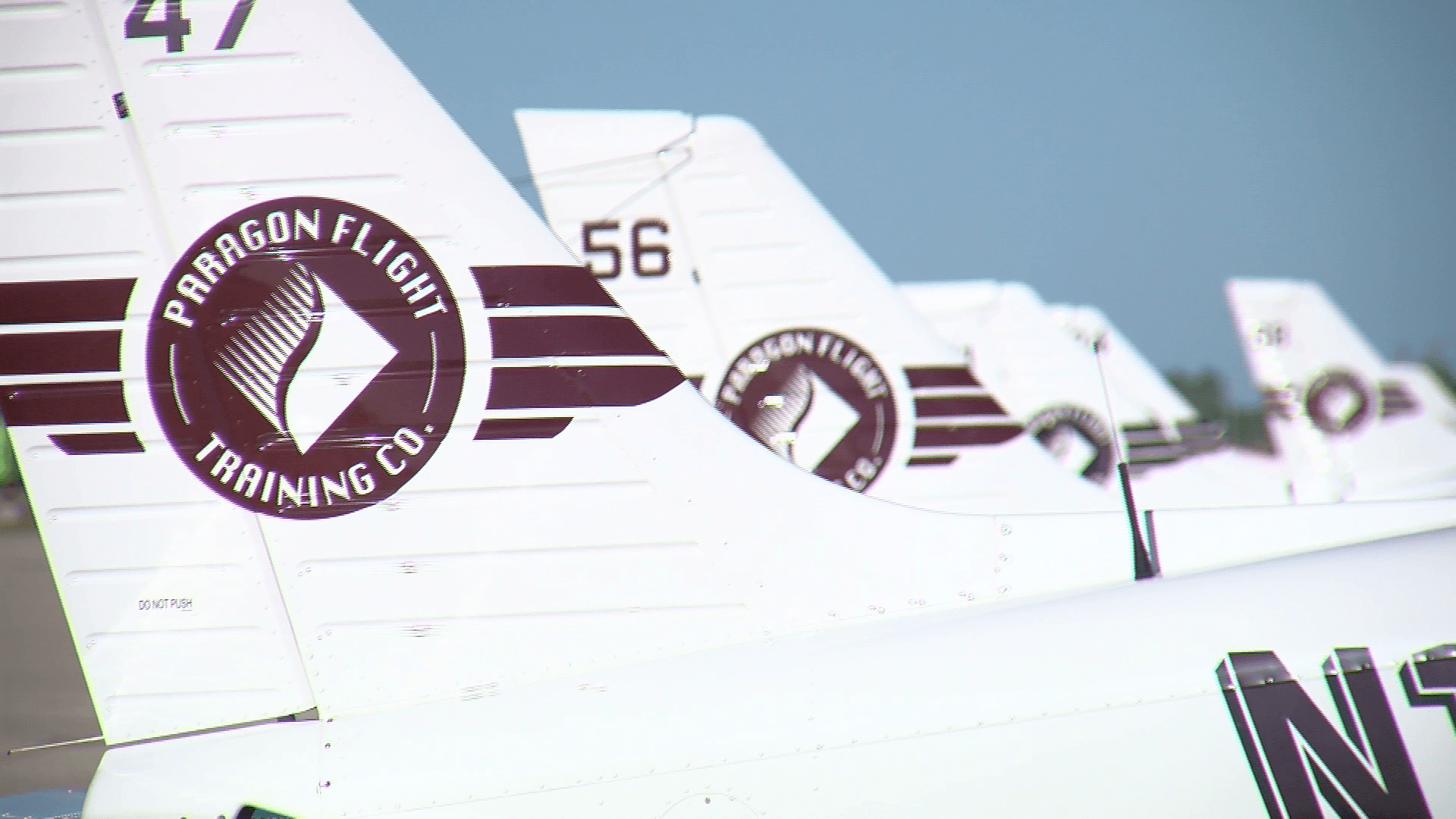
At the Paragon Flight Training School at Page Field, students ring a bell and add their names to the walls of a hangar after completing milestones like their first solo flight.
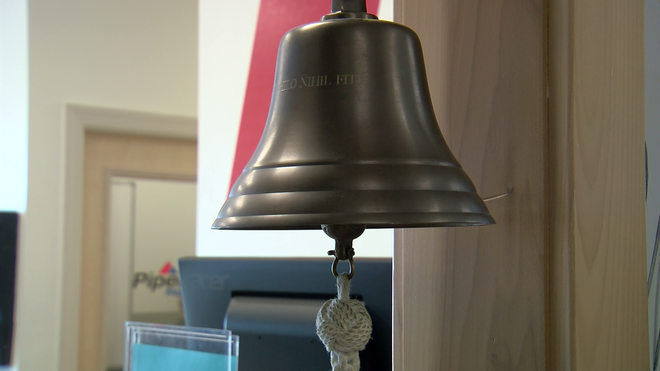
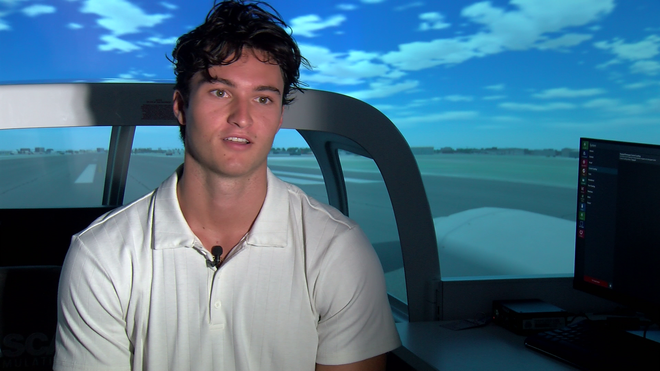
“They say a good pilot is always learning,” said Ryan Wallace, who rang that bell a while ago. “No matter how many hours you have, you're always going to be learning.” He’s been learning and training here for the last two years. “I want to fly wide bodies, so A-350 or triple sevens.”
While he’s still training on these smaller planes and working toward those bigger birds, he carries an important lesson with him on the ground and in the air. “Safety is the No. 1 importance,” Wallace added.
Students here learn to check all their instruments, communicate clearly and keep an alert eye. We stepped into the on-site flight simulator with Chief Flight Instructor Jeffrey Wolf.
“I started (flying) actually my sophomore year in high school, so I've been a little over 20 years now,” Wolf explained. He has walked hundreds of students through all these gauges, screens, numbers and levers in the cockpit that’s been recreated in a classroom. “It comes with a lot of additional safety features and traffic and terrain and weather,” Wolf said.
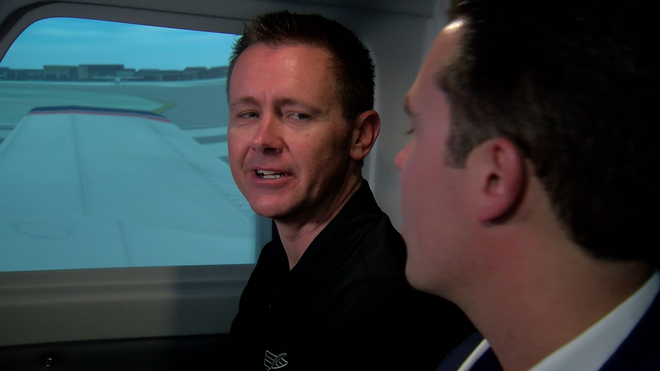
After seeing the headlines about big jet crashes in Washington, D.C. , and Toronto and smaller incidents like a crash in LaBelle and another in Manatee County, Wolf shared that he and his students talk about safety often. “Safety is paramount when it comes to aviation,” Wolf added. “That's why we use the simulation that we're using to ensure that they are able to get any experience they need to be safe in the cockpit.”
And that simulation is very realistic. Students can take off from a virtual Page Field and fly along the Gulf Coast. That culture of safety seems to be working in the real world despite this year's high-profile crashes.
A search of the National Transportation Safety Board’s Aviation Investigation Database showed six incidents reported in January 2024 in Florida. There were only four in 2025. The first crash of 2025 took place in Naples on New Year’s Day .
Going further, NTSB data show the total number of plane crashes in 2024 landed at 988 in the United States. That’s down from 992 in 2023 and 1,053 in 2022.
“I think that the industry as a whole is very, very safe,” said Paragon student Denise Lenhard. She has trained here since August 2023. Flight prep begins hours before the propellers begin turning.
“It actually starts the day before by looking at the weather,” Lenhard said.
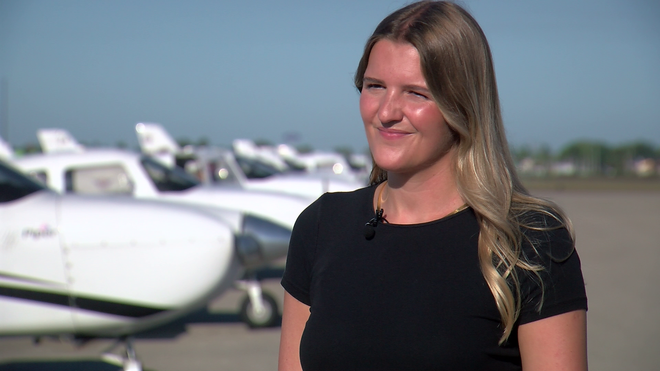
To be eligible for a job with commercial airlines, students have to accrue at least 1,500 hours of experience. From takeoff to touchdown, Lenhard, Wallace and more than 300 other Paragon students are preparing now to keep the sky safe for everyone while fulfilling their own dreams.
“Since I was a kid, I've always loved to fly,” Wallace said. “I never really cared where we were going as long as we were on a plane.”
On March 19, the Federal Aviation Administration announced runway incursion devices will be installed at 74 airports in the U.S. The FAA says these devices are memory aids for air traffic controllers that improve safety by indicating when a runway is occupied or closed.
Tampa, Miami and Fort Lauderdale are all on the list to get the devices in the future. Southwest Florida International was not included in the announcement.