
Should children have smartphones? It’s a debate that’s been dividing adults for years.
Nearly one in four kids has a personal cellphone by age eight. That’s according to a report from Common Sense Media . Now, new research from University of South Florida reveals the pros and cons of kids having smartphones.
We met 9-year-old Beau Jones in downtown Fort Myers. He has an iPhone. It’s a device that’s been around for twice as long as he's been alive. When asked what he likes about the iPhone, Jones said, "You can call people and text, and you can also play games."

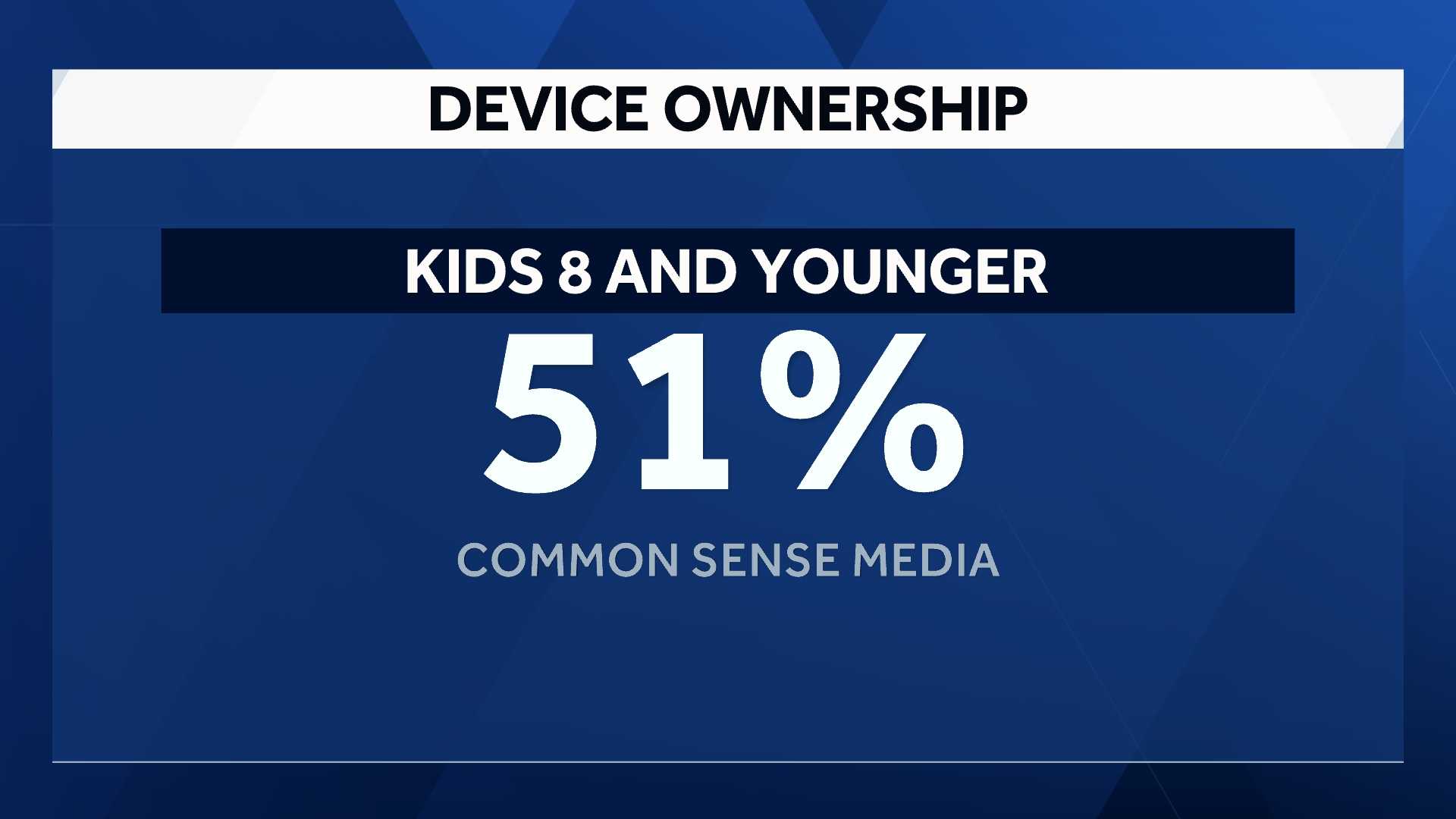
This tech is finding its way into more kids' hands these days. Common Sense Media found overall, 51% of children age 8 and younger have their own mobile device, like a tablet or cellphone.
Jones said there are pros and cons to kids having smartphones. New research from the University of South Florida supports that.
"This was certainly the biggest surprise of our study that owning a smartphone among children is associated with a number of different kinds of wellness and well-being," Dr. Justin D. Martin said. He is the lead researcher on the new project. He and his team recently surveyed more than 1,500 11 to 13-year-olds in Florida.

"Kids who had their own smartphones were more likely than kids who don't have their own smartphones to say that they meet up regularly with friends each week. They were less likely to say that they get angry frequently and lose their temper," Martin said.
WATCH THE FULL INTERVIEW WITH DR. MARTIN BELOW:
Not all of the findings were positive. As you can imagine, cyber-bullying showed up in the survey responses.
"Publicly posting online for kids, at least for kids in this age range, seems to be associated with a number of different types of harm with anxiety, with sleep, problems with mood and anger management problems," Martin said.
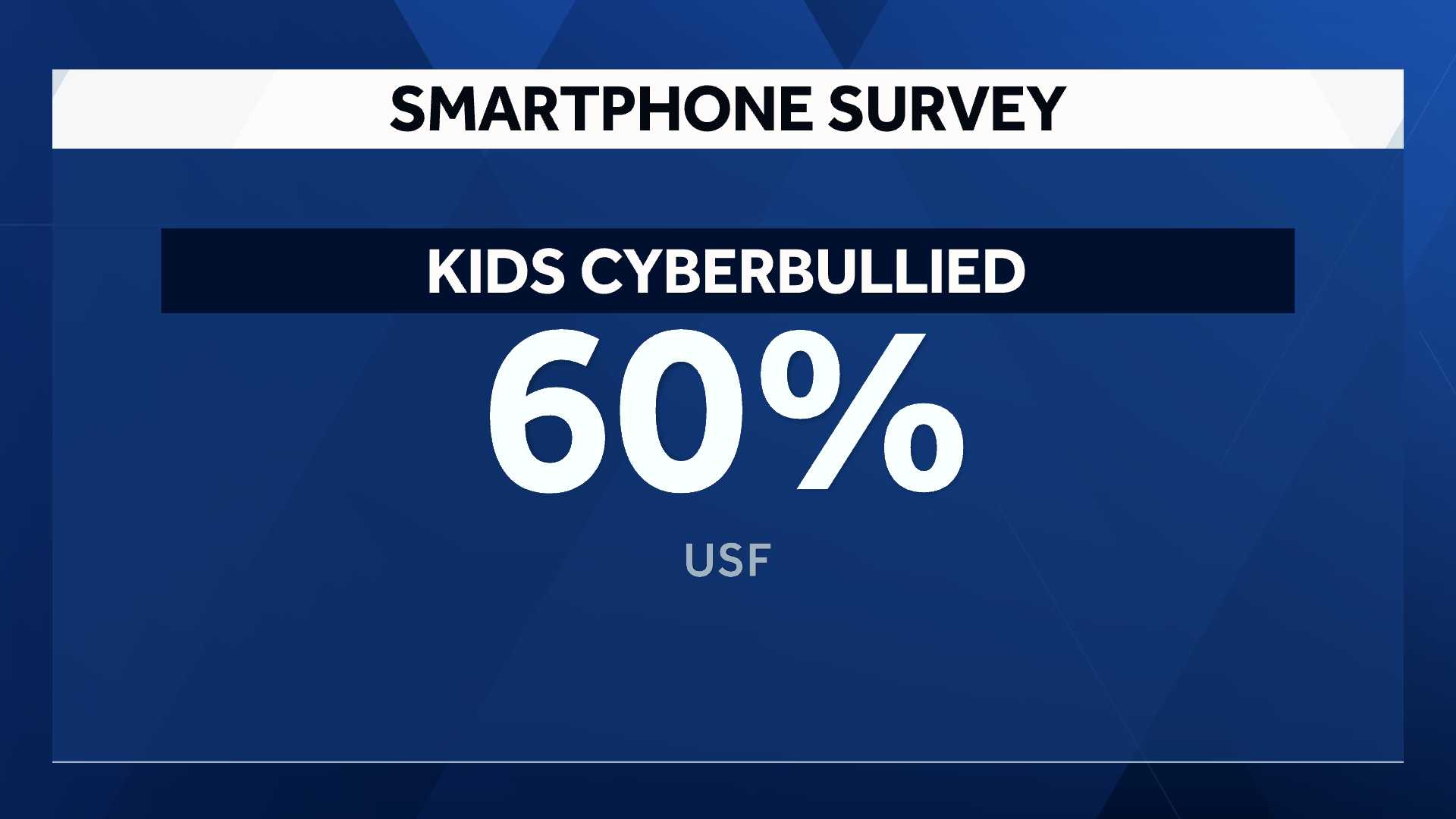
He said almost six in 10 kids they surveyed reported being cyber-bullied in the last three months. On top of that concern, they also found that one in four kids sleep with their smartphone where screens, alerts and vibrations can keep disrupting sleep.
"They're not getting enough sleep for their brain development," Martin said. He also said keeping smartphones out of kids' bedrooms could lead to an extra 38 minutes of sleep a night on average. That’s a big deal for developing brains. While the research continues, Martin recommends parents talk with their kids about safe smartphone use.
- Dr. Justin D. Martin
It’s a conversation Jones said his parents have already started with him.
Going forward, USF said research will be conducted over the next 25 years. Researchers will collect new data every six months from the people they surveyed. Years from now, they hope to use that data to get a better understanding of how smartphone use impacts adults' social habits as they age into their 30s and beyond.