Saharan dust is making its way to our Gulf Coast. So, what is it?
“The Saharan air layer is basically what it sounds like. It's an air mass that originates in the Sahara Desert of Africa, the biggest desert on the planet,” said Gulf Coast News meteorologist Rob Duns.
As the dust gets closer to us, it’s not right at eye level.
“It actually travels at a height of sometimes upwards of a mile in the air. So, we're talking 20, 25,000 feet up and above the Earth's atmosphere,” Duns said.
Even though it's thousands of feet above us, it still impacts us.
“People who suffer from respiratory issues can sometimes notice their condition is getting worse when there's a high enough concentration of the Saharan air layer nearby,” Duns said.
While there are some negatives to Saharan dust, it also has benefits.
“The tropics, and this is by far the biggest benefit, stay normally very quiet when there's a lot of Saharan air on the prowl,” Duns said.
It fights off hurricanes, taking away the fuel they need to thrive.
“Inside this Saharan air layer, there's lots of dust and particulate matter that is absorbing the sun's energy. So, it warms up. That means this layer in the atmosphere up and above the ocean is not only warm, but it's also very stable. So, if a tropical wave gets stuck underneath or tries to organize near the Saharan air layer, it runs into this very stable layer of air in the atmosphere and is squashed,” Duns said.
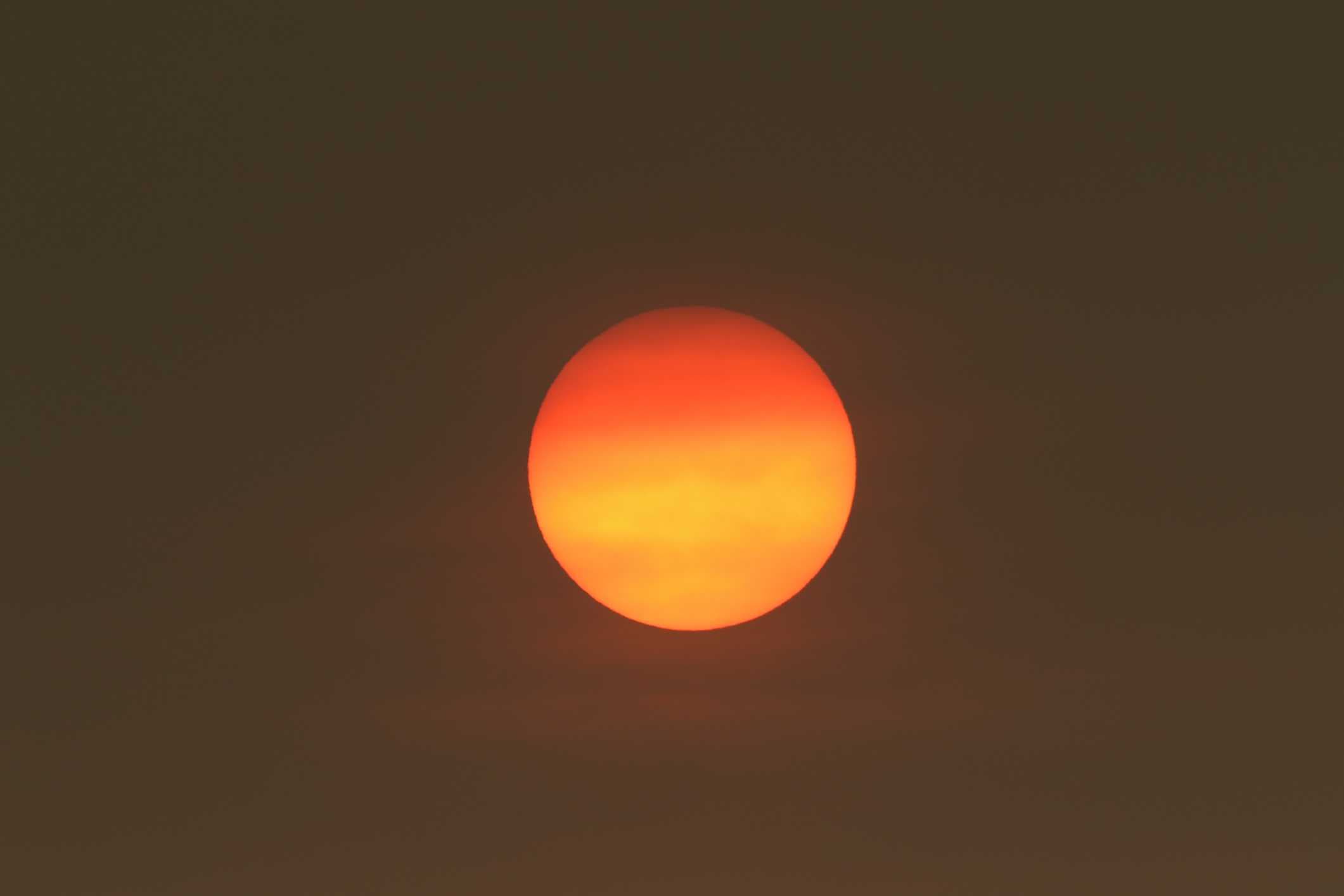
While keeping away storms is a huge benefit, Saharan dust can also make some stunning sunsets.
“The Instagram effect is that the sunrises and sunsets are very beautiful. But oftentimes in the afternoon the sky looks super, super milky and hazy, you know, almost like you were in the desert,” Duns said.
DOWNLOAD the free Gulf Coast News app for your latest news and alerts on breaking news, weather, sports, entertainment, and more.