Weather
2025 Weather Wrapped: A quiet hurricane season and a growing drought
Meteorologist: Oceana Hayden
•1/1/2026
Source: WINK News

For Southwest Florida, 2025 was a relatively calm year in terms of severe weather, with few high-impact events making headlines.
While the tropics stayed quiet for our area, the lack of rainfall became the defining weather story of the year.
The Southwest Florida area had not seen a single tornado in 2025. The closest thing came on July 21, when a brief EF0 landspout spun up in DeSoto County near Nocatee.
Weak sea breeze flow allowed multiple thunderstorms and outflow boundaries to interact, producing the short-lived spin-up.
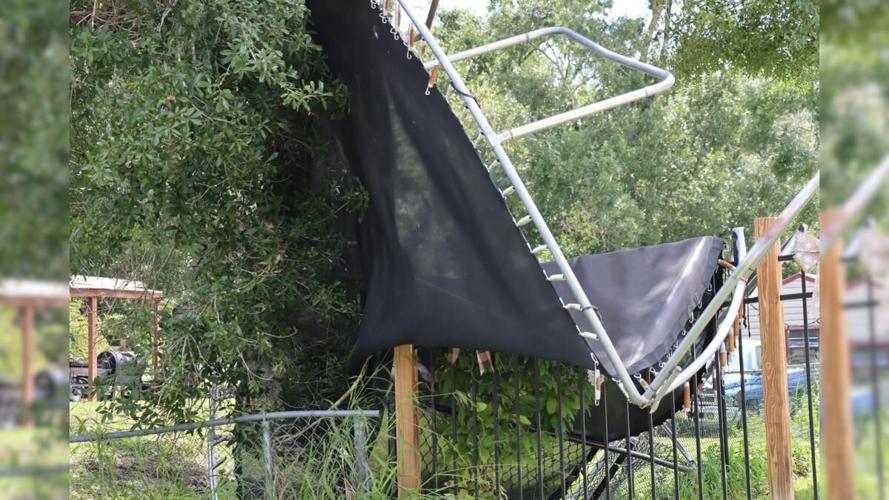
Emergency management officials reported minor damage to a couple of homes and a downed power pole near Marco Avenue and Beard Street.
Winds were estimated near 65 mph, and the landspout’s path stretched less than a quarter mile.
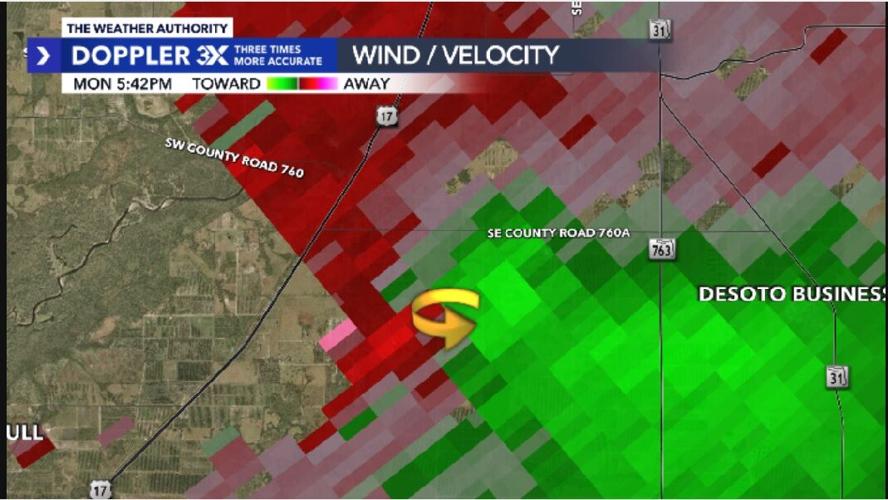


Side-By-Side Trampoline/ Velocity
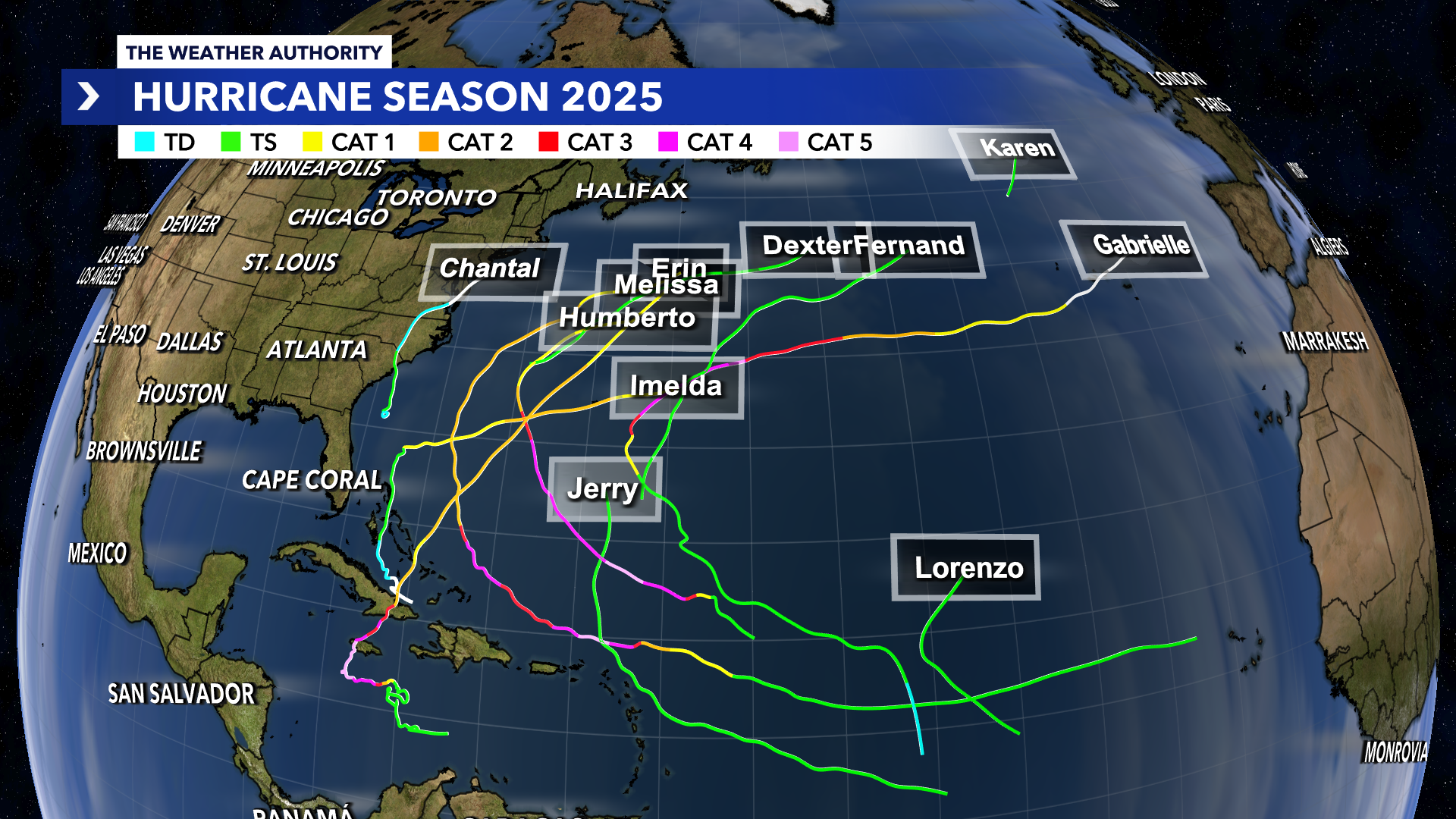
The tropics were quiet for the United States in 2025. Southwest Florida avoided landfalling hurricanes, and no hurricanes made landfall anywhere in the country. Many storms remained out at sea, mainly due to a weaker and more eastward-positioned Bermuda High.
That said, the Atlantic Basin was not entirely spared. Category 5 Hurricane Melissa made a historic and devastating landfall in Jamaica in October, breaking multiple records and becoming the most powerful storm of the year.
Closer to home, the big weather story of 2025 was drought.
Rainfall totals across Southwest Florida fell well below normal, raising concerns heading into 2026. Since January 1, Fort Myers has received just 38.23 inches of rain, putting the city on pace for a deficit of more than 19 inches. That makes 2025 the 7th driest year on record, with rainfall records dating back to 1892.
Other cities experienced similar shortfalls, as shown below.

According to the latest drought index released on December 31, Level 3 severe drought has expanded into Charlotte and Highlands counties, while the rest of Southwest Florida remains under Level 2 moderate drought conditions.

Because of the ongoing dryness, burn bans are in effect for Charlotte, DeSoto, Glades, and Highlands counties.
Drought conditions across Southwest Florida are likely to persist and could intensify in 2026. Much of the ongoing dryness is linked to the current phase of the El Niño–Southern Oscillation (ENSO), which significantly influences winter weather patterns. La Niña conditions are now in place and are expected to last through at least March 2026, favoring a continued drier-than-normal pattern.
The bottom line for 2025 was that major storms were kept away from Southwest Florida, but a lack of rainfall took center stage.
Heading into 2026, the focus shifts to fire danger, water concerns, and the duration of the ongoing dry pattern.
Share: