Weather
Why tides are running lower than normal along the Southwest Florida coast
Zach Maloch
•1/20/2026
Source: WINK News

If you’ve noticed exposed mudflats, unusually low water in canals, or had trouble navigating boats during low tide, you’re not imagining things.
Tides have been running lower than normal along the Southwest Florida coast this January, and there are several seasonal factors working together to cause it.

WINK Weather Authority meteorologists say the primary reason is the frequent passage of cold fronts this time of year. Behind each front, strong northeasterly to easterly winds develop and persist for days at a time. These offshore winds push water away from the coastline and out into the open Gulf, resulting in noticeably lower water levels along beaches, bays, and estuaries.
Another contributing factor is a seasonal drop in sea level during the winter months. Cooler water temperatures cause the ocean to contract slightly, and persistent high-pressure systems common in winter suppress water levels even further. This natural winter “setdown” means tides start out lower than average before wind effects are added on top.
Moon phases also play a role. During neap tide cycles—when the sun and moon are at right angles—tidal ranges are smaller. High tides do not rise as much, and when offshore winds are present, low tides can fall even lower than predicted.
WINK Weather Watchers sent in photos of the lower than normal tides, showing exposed sandbars, drained shoreline areas, and shallow water in typically navigable spots.
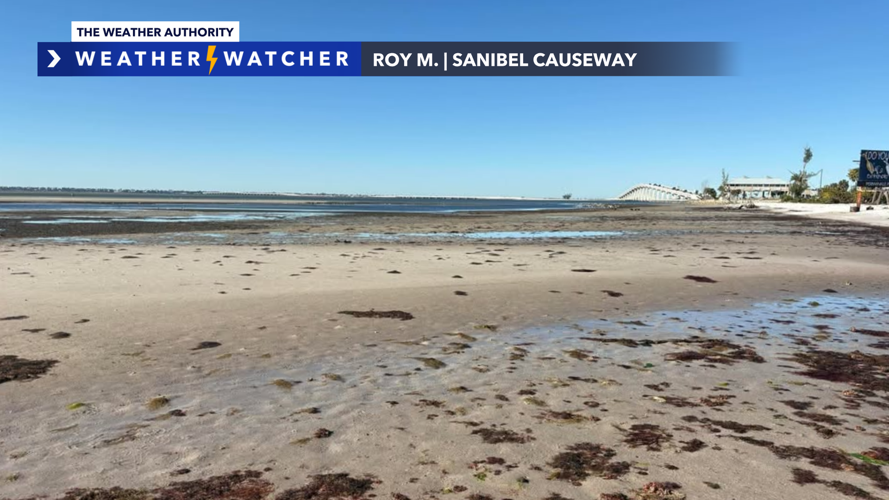
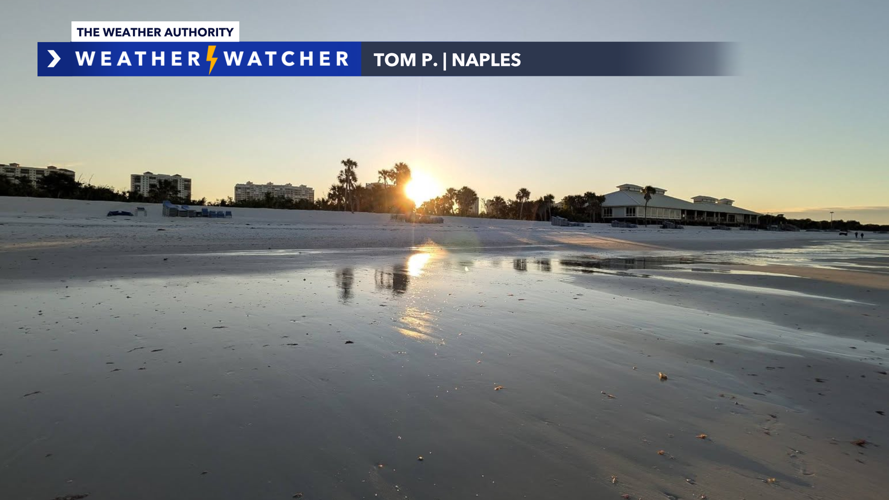
WEATHER WATCHERS LOW TIDE
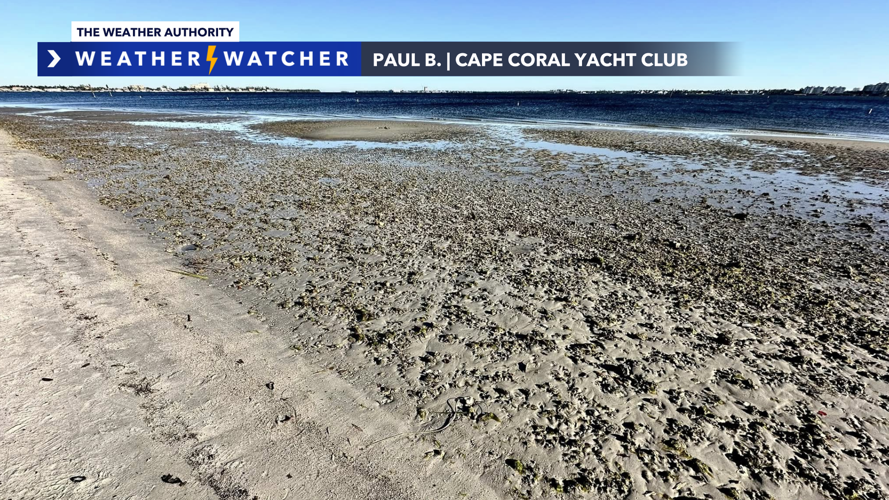
Low Tide
These conditions can impact boating, fishing, and coastal access, especially during the lowest tide cycles.
While these low tides can be inconvenient, they are a normal wintertime pattern for Southwest Florida and typically reverse once winds shift back onshore and spring approaches.
For the latest tide impacts and coastal conditions, count on the WINK News the Weather Authority to keep you informed.
Share: