Local News
Dozens of Sanibel homeowners elevate houses after multiple hurricane hits
Channing Frampton
•2/18/2026
Source: Gulf Coast News Now

LEE COUNTY, Fla. —

Storm surge is a major threat in Florida, leading many homeowners on Sanibel Island to elevate their properties after hurricanes Ian, Helene, and Milton flooded Gulf Coast homes.
SEE WHY THE GULF COAST IS SO VULNERABLE TO STORM SURGE IN THE VIDEO BELOW:
Barb Lasky, who has lived on Sanibel Island for five years, has faced significant challenges during this time. "Ian was the first one. And then Helene and Milton," Lasky said, describing the repeated storm surges that inundated her home.
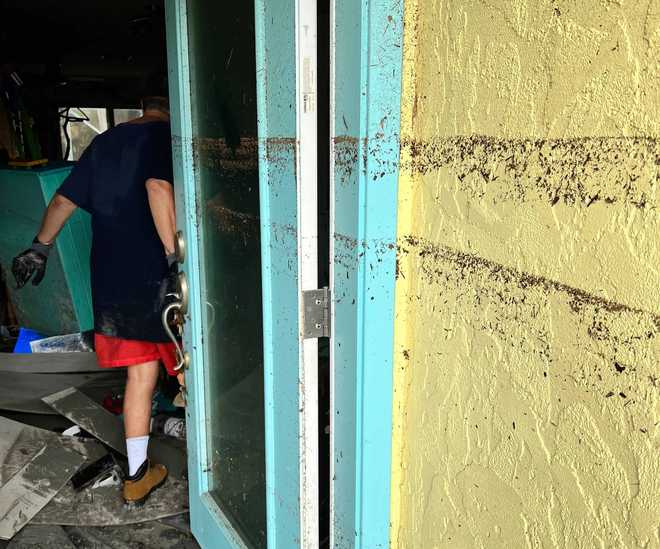
In 2024, Lasky captured the surge from Hurricane Helene on camera, but Hurricane Ian was even worse. "I had 4.5ft of water inside the house," she said, documenting the damage with photos. In 2024, she decided to make a change. "How long did it take you to decide? Okay, we're going out," Channing asked. "Three weeks," Lasky replied. "Three weeks? Why was it so quick?" Channing asked. "Because it's a lot of work," Lasky said.
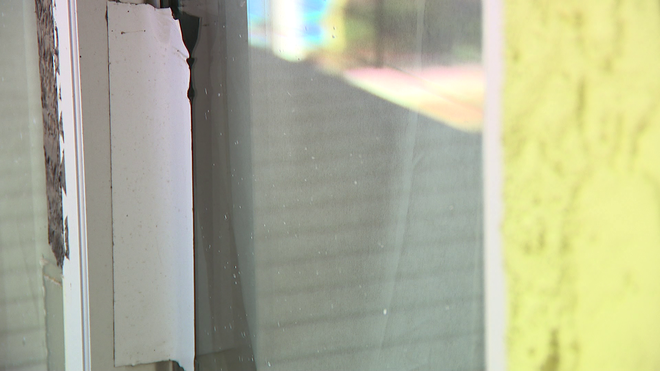
Preparing for hurricanes and the flooding they can bring is a lot of work. "I still have tape on my back doors. I haven't gotten off yet because it doesn't come off easy," Lasky said. Her solution was to lift her house about 10 feet. "So they started May 8th. I was back in the house September 8th," she said, having dipped into her retirement savings to get the job done. "Can you give me a ballpark of how much it ended up costing you?" Channing asked. "$500,000 to $600,000. You could probably you could do it for $400,000 a house a size without a big deck off the back and without a pool cage," Lasky said.
SEE OUR PREVIOUS VISIT TO BARB'S HOUSE WHILE HER HOME WAS BEING LIFTED IN THE VIDEO BELOW:
Barb is not alone. Since Hurricane Ian, at least 75 homes have been lifted like hers across Sanibel Island. Eric Jackson, the city of Sanibel’s public information officer, said, "The vast majority have been people self-funding, raising these homes." He added, "Recently, last month actually, council approved the funding through the Hazard mitigation grant program, for funding for two homes, to be elevated."
That program is Elevate Florida, led by the Florida Division of Emergency Management, designed to protect homes and communities by reducing damage during natural disasters like hurricanes and floods. "We're starting to see where those homes that had applied for that funding is starting to go through, or where they're able to start making that happen," Jackson said.
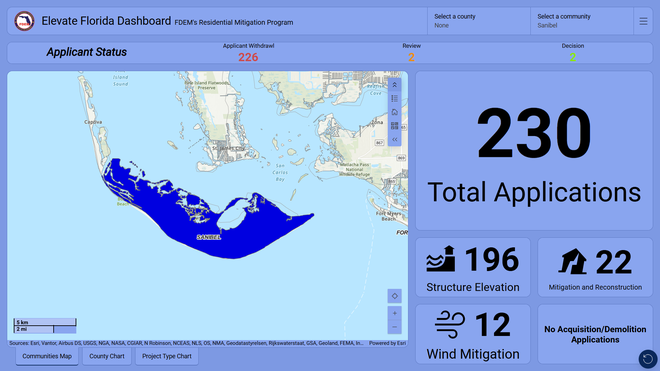
On Sanibel, of the 230 applications submitted for elevation, wind mitigation, and reconstruction, two have been approved so far, two are still under review, and another 226 have been withdrawn. In an email, a state spokesperson explained that withdrawals include both involuntary decisions, like previous federal funding or lack of response, and voluntary ones, such as homeowners completing work on their own. "I didn't want to wait in line, basically. I wanted to get it done," Lasky said.
Given the condition of her home after Hurricane Milton and the timeline of construction, Lasky did not apply to the Elevate program. "How does it feel now to be across the finish line?" Channing asked. "Huge relief. I'm sleeping way better now," Lasky said. Now, the finished product gives plenty of space for storm surge to wash right under the house. "I'm 14 to 15ft above the base flood level right now," Lasky said.
While her belongings will be high and dry in future storms, Lasky’s message remains the same: "Always evacuate. Don't stay. It's not worth it. And all you can do is put your stuff up high if you can."
I also checked the Elevate Florida dashboard for Lee County. Out of the 1,900 applications for elevation, mitigation, and other programs, 24 decisions have been reached, 121 are under review, and 1,708 have been withdrawn.
DOWNLOAD the free Gulf Coast News app for your latest news and alerts on breaking news, weather, sports, entertainment, and more on your phone or tablet. And check out the Very Local Gulf Coast app to stream news, entertainment and original programming on your TV.
Share: