Downtown Fort Myers
Fort Myers youth center creates safe space for civil dialogue over ICE, protests
Miyoshi Price
•2/18/2026
Source: Fox 4 Now
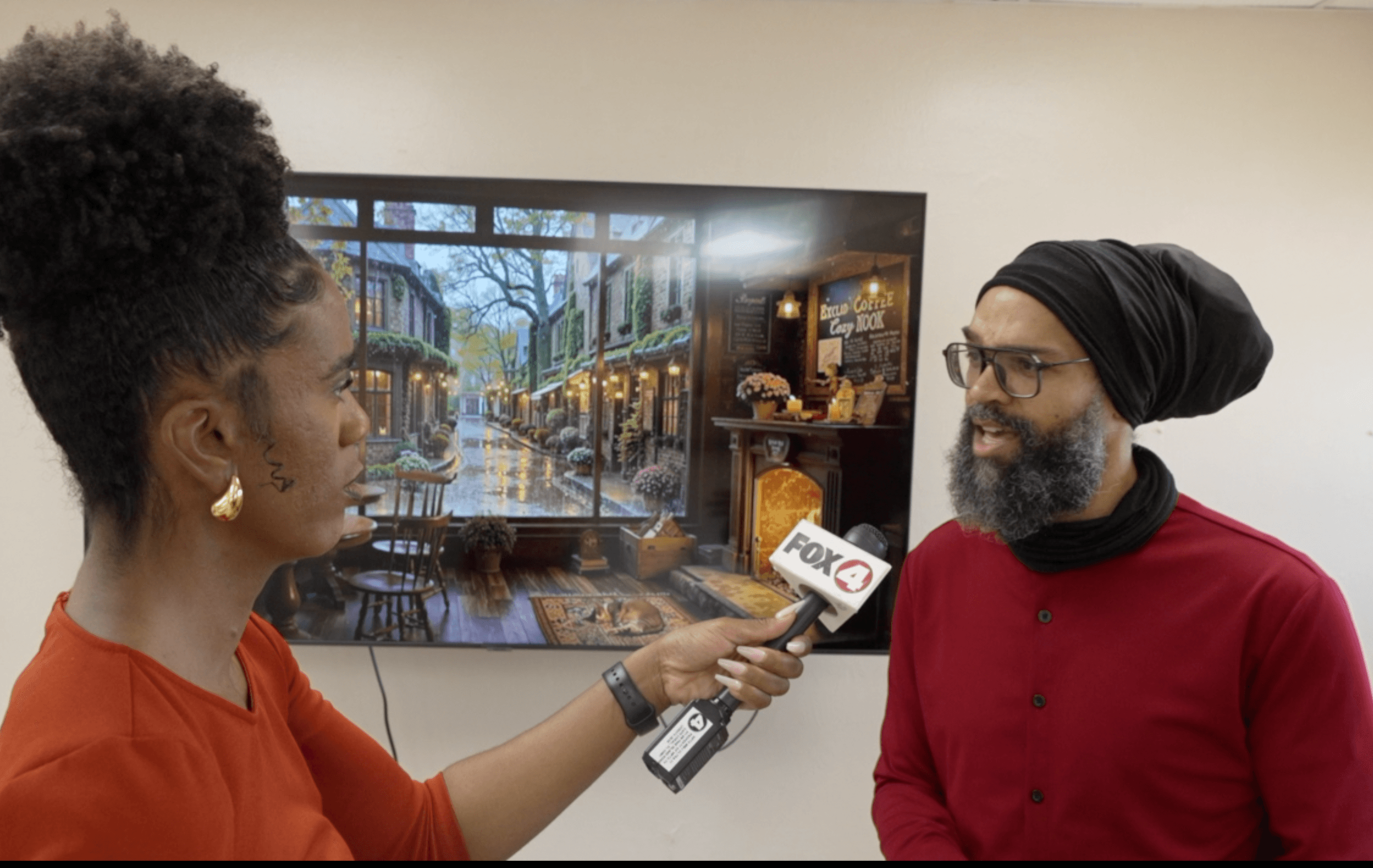
FORT MYERS, Fla. — Young people in Fort Myers are finding their voices on politically charged topics through structured conversations at a local youth center. It offers an alternative to campus protests that have drawn warnings from state education officials.
Fort Myers youth center creates safe space for civil dialogue over ICE & protests
The Quality Life Center recently hosted a youth dialogue session focused on Immigration and Customs Enforcement policies and related community tensions.
Julian Ramirez, executive director at the Quality Life Center, organized the session after community members requested a space for young people to discuss these sensitive issues.
"It's a conversation that's pressing. everyone's having it at some point or another, and the community asked for it," Ramirez said.
The session used news clips, audio and interactive discussions to explore different perspectives on recent incidents, including the deadly shooting of Renee Goode in Minnesota. Participants sat in a semicircle with two chairs positioned in the center, allowing students to address the group directly.
Kendrick Calloway, one of the participants, said the format was crucial for meaningful dialogue.
"i think it's important for young people to have a place where they could speak their mind and, like, talk about things that affects us, because a lot of times we aren't put into consideration when it comes to things desensitized," Calloway said.
The conversation revealed generational differences in how young people process current events. Calloway noted how social media influences his peers' responses to serious topics.
"even with social media now, like, with a lot of stuff going around, i feel like our generation, like we just take things and we just decide to make memes or jokes about it," he said. "at some point, like, you're gonna have to take it serious, because it's not just gonna be a joke."
Kenneth Hicks, another participant, said hearing opposing viewpoints was initially shocking, but ultimately educational.
"it really opened my eyes to how everybody doesn't think the same. like, there was one guy here who gave his opinion that was the complete opposite of mine," Hicks said. "this is a new perspective, and it really opened something in my mind."
The conversations came as Florida Department of Education Commissioner Anastasios Kamoutsas sent letters to districts warning that student protests during school hours will not be tolerated.
In his letter, Kamoutsas said students "retain the rights to free expression, including the ability to engage in peaceful protests, but the districts have the responsibility to ensure that any protest activity, does not interrupt instructional time, school operations and campus safety."
Calloway, who participated in Black Lives Matter protests while in school, criticized current restrictions on student demonstrations.
"i feel like what like the superintendents and schools are doing now is a bit excessive," he said. "i would really like to know the reason as to why students are being forced to be suspended and sent to alternative schools because of opinion they have, which we get through the first amendment of freedom of expression and assembly."
The conversation revealed divisions among the young participants themselves about school authority and protest rights.
"it's almost half of the young people thought that the school did have a responsibility to keep the children safe and that the school did have a responsibility to keep the children from protesting," Ramirez said. "about a little bit more than half thought that they didn't."
Ramirez emphasized the importance of creating safe spaces for these discussions without pushing specific ideologies.
"my goal was to be able to, like, calm down the audience, so that person has an opportunity to express themselves," he said. "we have to create an infrastructure so that we don't radicalize anyone in one ideology or another."
For parents wanting to have similar conversations at home, Ramirez offered simple advice.
"i think that the easy way to start is to listen. don't approach the conversation with trying to change them, trying to enlighten them, or trying to do anything more than just listen," he said.
The Quality Life Center plans to continue these monthly conversations, integrating young people into ongoing community dialogue efforts.
Calloway emphasized the value of respectful disagreement in finding common ground.
"At the end of the day, yes, we are fighting for unity and to, like, get everybody together, but we still have to be respectful of others opinions and just like, learn from each other," he said.
Hicks expressed interest in continuing these discussions and learning more about political perspectives.
"I really want to learn more about, like, how people feel on this topic, especially the younger generation, who actually are going to make a change," he said.
This story was reported on-air by a journalist and has been converted to this platform with the assistance of AI. Our editorial team verifies all reporting on all platforms for fairness and accuracy.
Share: