Local News
Marco Island Police join global mission to map dangerous underwater blind spots by 2030
Channing Frampton
•5/15/2026
Source: Gulf Coast News Now

MARCO ISLAND, Fla. —

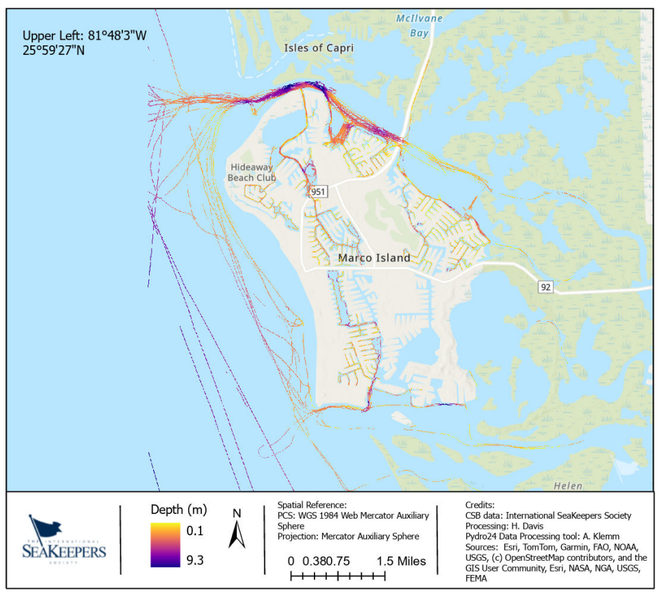
Less than 30% of Earth’s seafloor has been mapped to modern standards. Areas like Marco Island, Florida, are one of the few blank spots in the state, according to Rosie Moore, citizen science manager for the International SeaKeepers Society.
“Marco Island is actually one of the few blank spots in all of Florida,” Moore said.
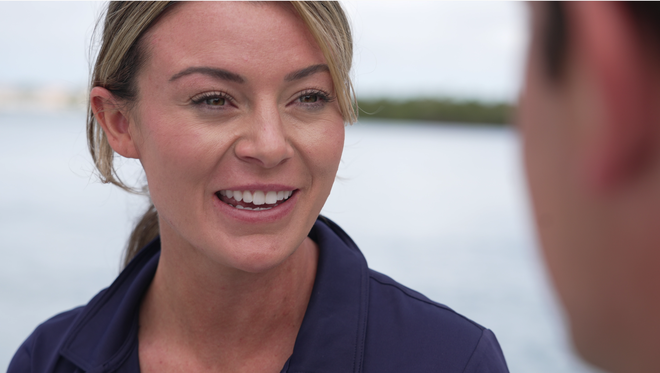
These unmapped areas can be dangerous for boaters, but a new effort is underway to address the problem along the Gulf Coast. Marco Island police have joined a global initiative to map the ocean floor by 2030, a mission that could save lives and prevent environmental disasters.
Marine patrol officer Josh Ferris spends much of his time on the water in Factory Bay, where he says local knowledge is critical.
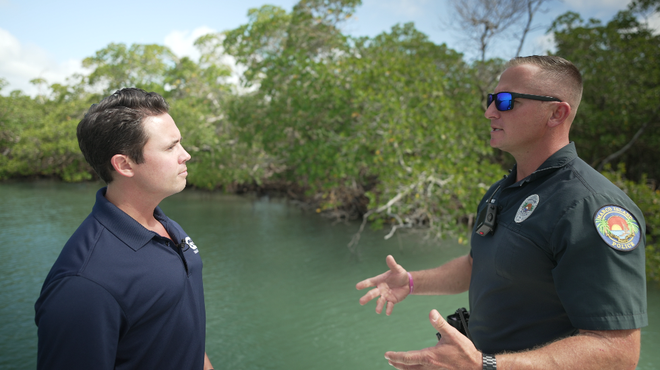
“You can't really take too much time off from being out here, because you will lose the knowledge of where things are,” Ferris said.
Ferris emphasized the importance of understanding the seafloor around Marco Island, noting the unique challenges for boaters.
“Well, it's extremely important for everybody,” Ferris said.
Accurate, up-to-date maps of the seafloor are hard to come by, and Ferris encounters boaters unfamiliar with the waterways daily.
“Every single day,” Ferris said. “There are sandbars. There are oyster beds, and things are ever-changing.”
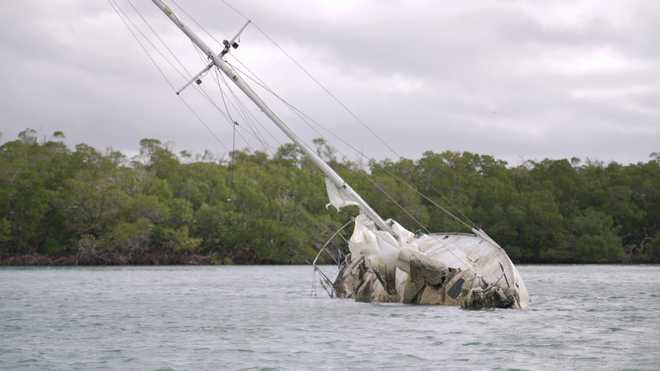
Having detailed data on the seafloor can help prevent accidents, such as boats becoming stranded or damaged.
A small piece of technology, including a micro-SD card, is at the heart of the mapping effort.
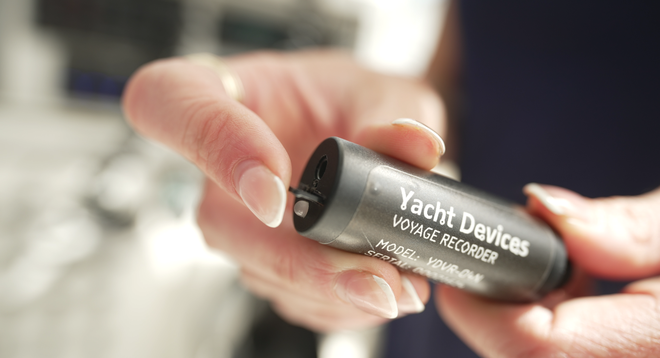
“This is our Seabed 2030 Initiative,” Moore said.
The initiative is a global effort to map the ocean floor by 2030. Marco Island police joined the project a few months ago. “They actually found us and reached out about helping them out with canals and the changing water structures down here,” Moore said.
The mapping device, which screws into a boat’s backbone, passively records depth and GPS location as the boat travels.
“This tiny little device is what's doing all the work here. It's essentially just a listening device. It's not actually interacting with your system. As you're traveling, it's actually recording your depth and your GPS location,” Moore said.
The data is uploaded to an online drive and fed into a global database. Moore clarified that the device does not track boats in real time. “This is not a real-time update,” Moore said.
The initiative is open to anyone who wants to participate, including recreational boaters. “This is for anybody who wants to participate. We actually have just, like, a lot of recreational boaters that participate in this project,” Moore said.
The International SeaKeepers Society covers the full cost of the technology, making it free for participants to add their boats to the project.
For Ferris, the initiative could make his job easier in the future.
“I love that every single day is going to bring me something new,” Ferris said.
DOWNLOAD the free Gulf Coast News app for your latest news and alerts on breaking news, weather, sports, entertainment, and more on your phone or tablet. And check out the Very Local Gulf Coast app to stream news, entertainment, and original programming on your TV.
Share: